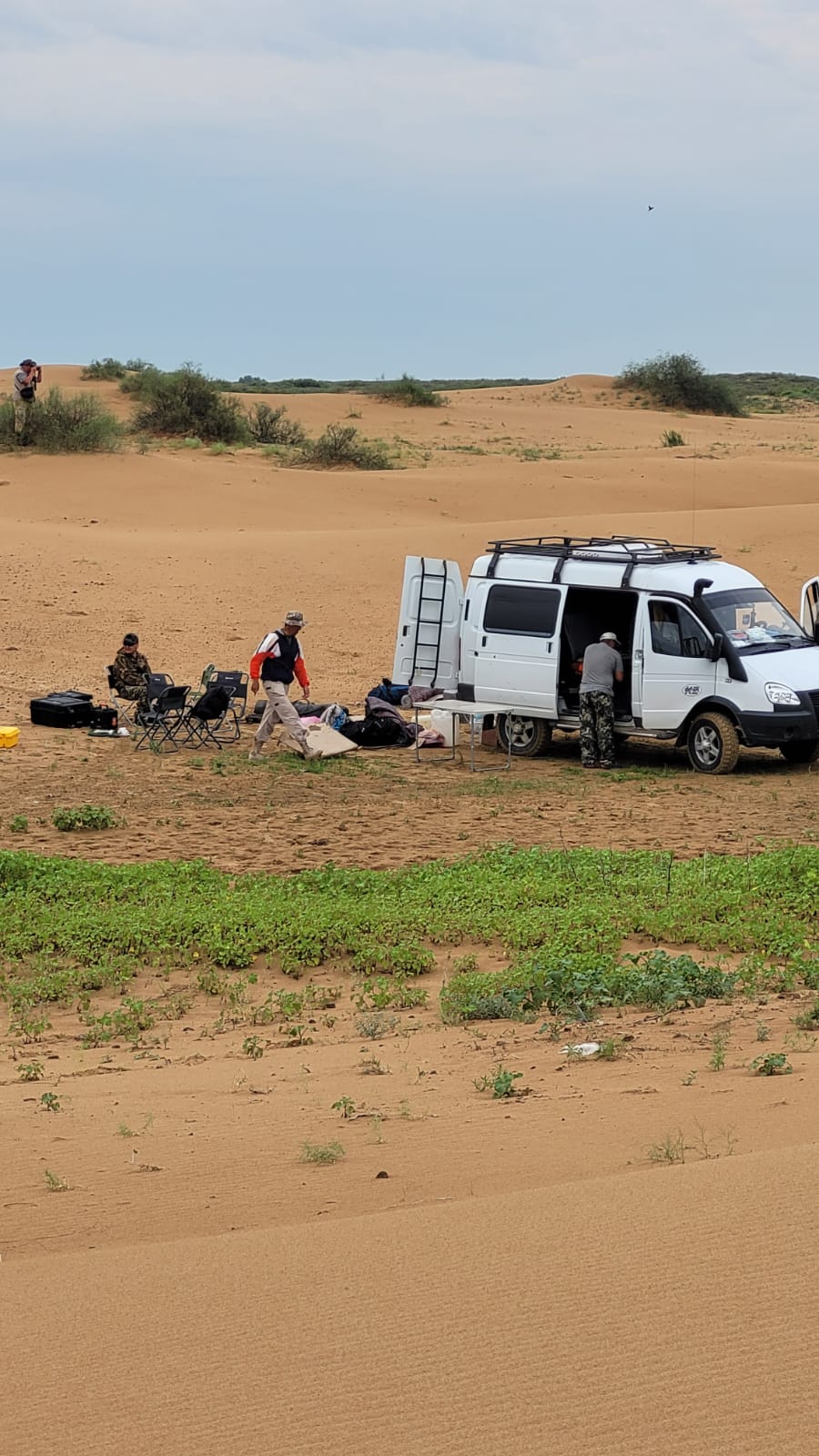
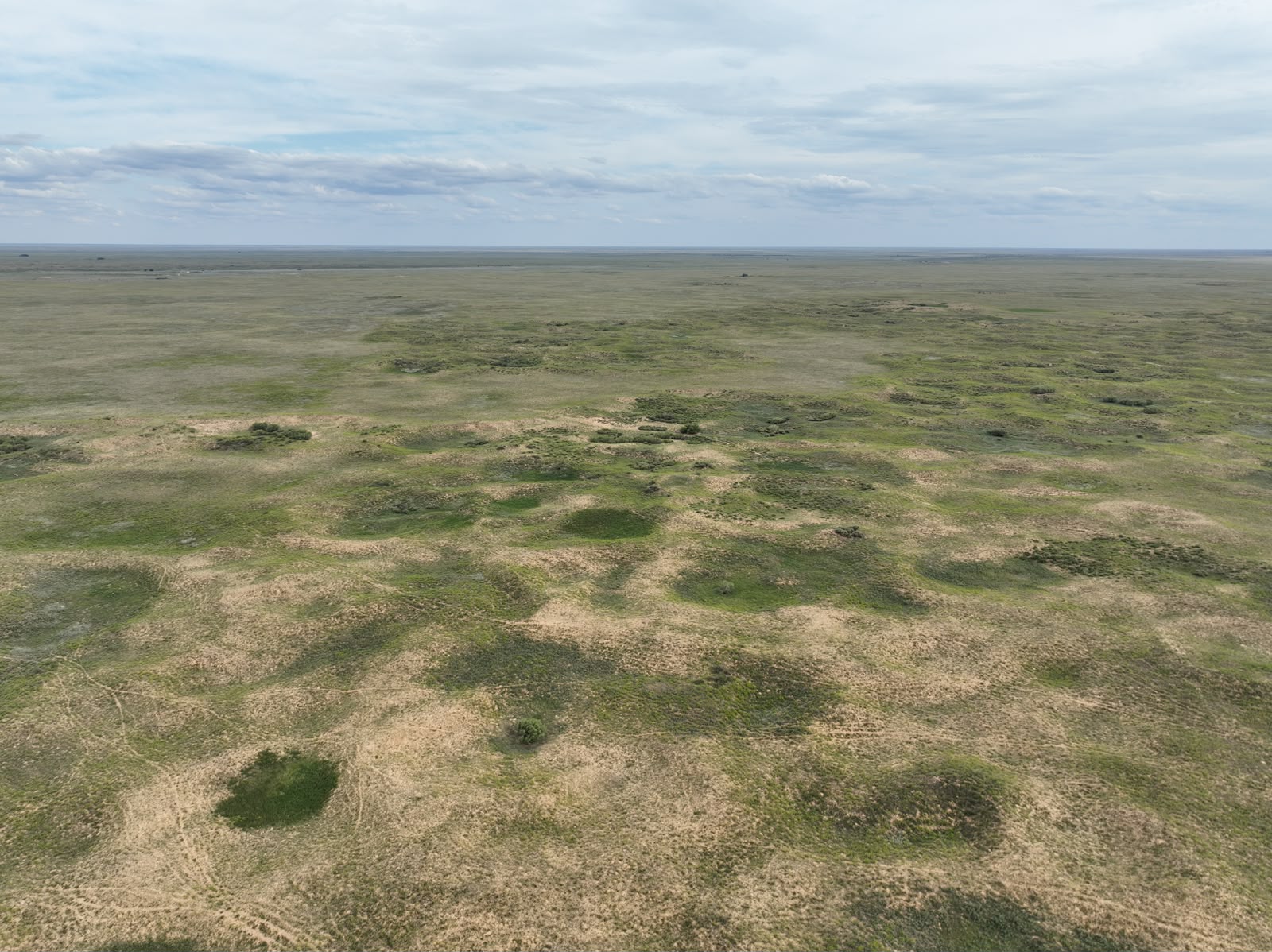
Within the framework of the BR28712767 Program "Study of the Environmental, Socio-Demographic, Economic-Geographical and Paleobiogeographical Aspects of the Ural Region and Assessment of Its Natural Resource Potential", funded through the Program-Targeted Financing of the Ministry of Science and Higher Education of the Republic of Kazakhstan, geographers and arachnologists of M. Utemisov West Kazakhstan University conducted comprehensive expeditionary field research from 5 to 12 July. The investigations focused on landscapes, the natural resource and production potential of the territory, rural settlements and their social infrastructure, as well as the diversity of arachnids in the region.
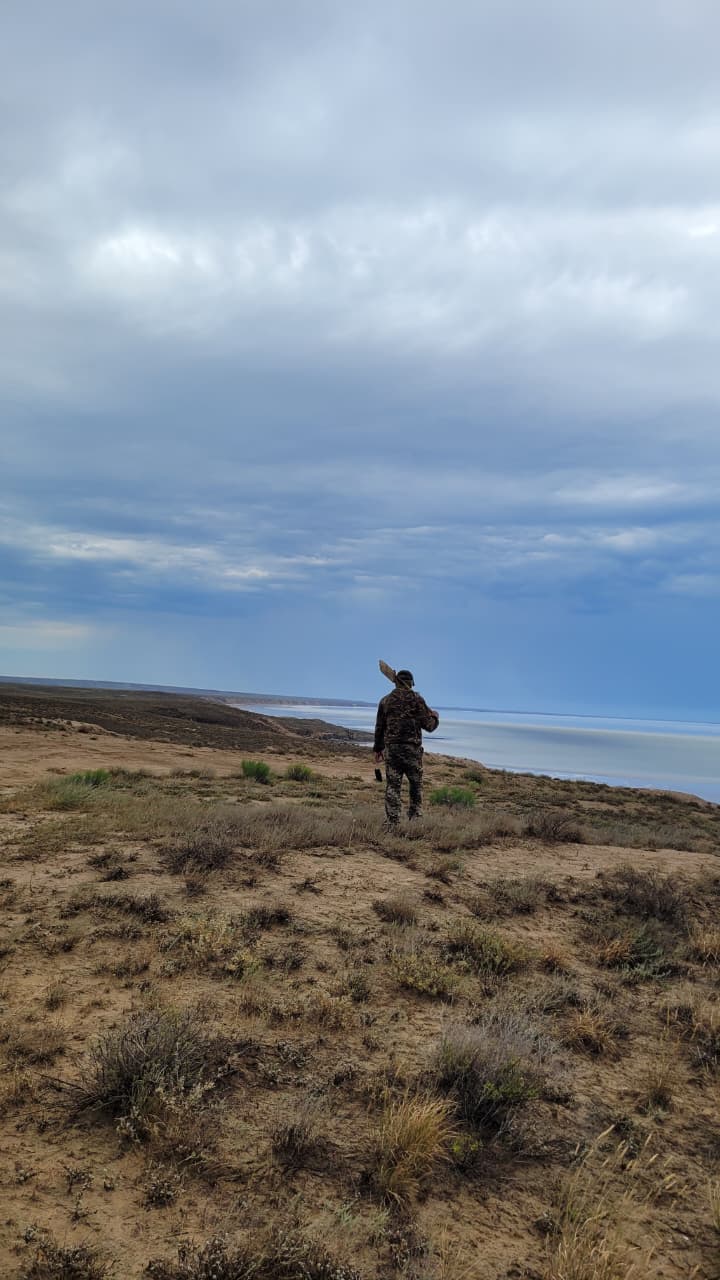
The expedition primarily covered sand massifs and saline landscapes, with a total survey route exceeding 2,800 km.
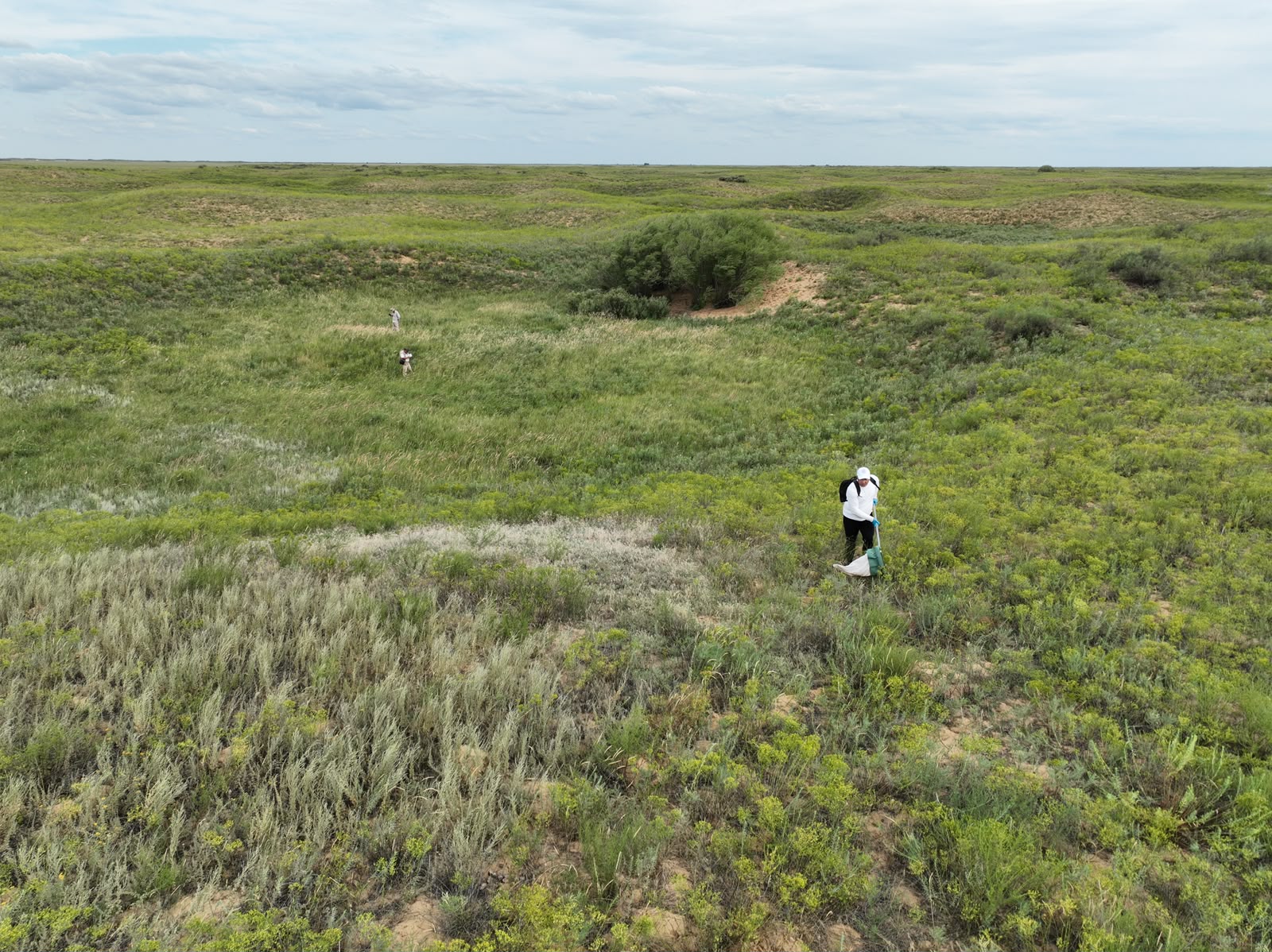
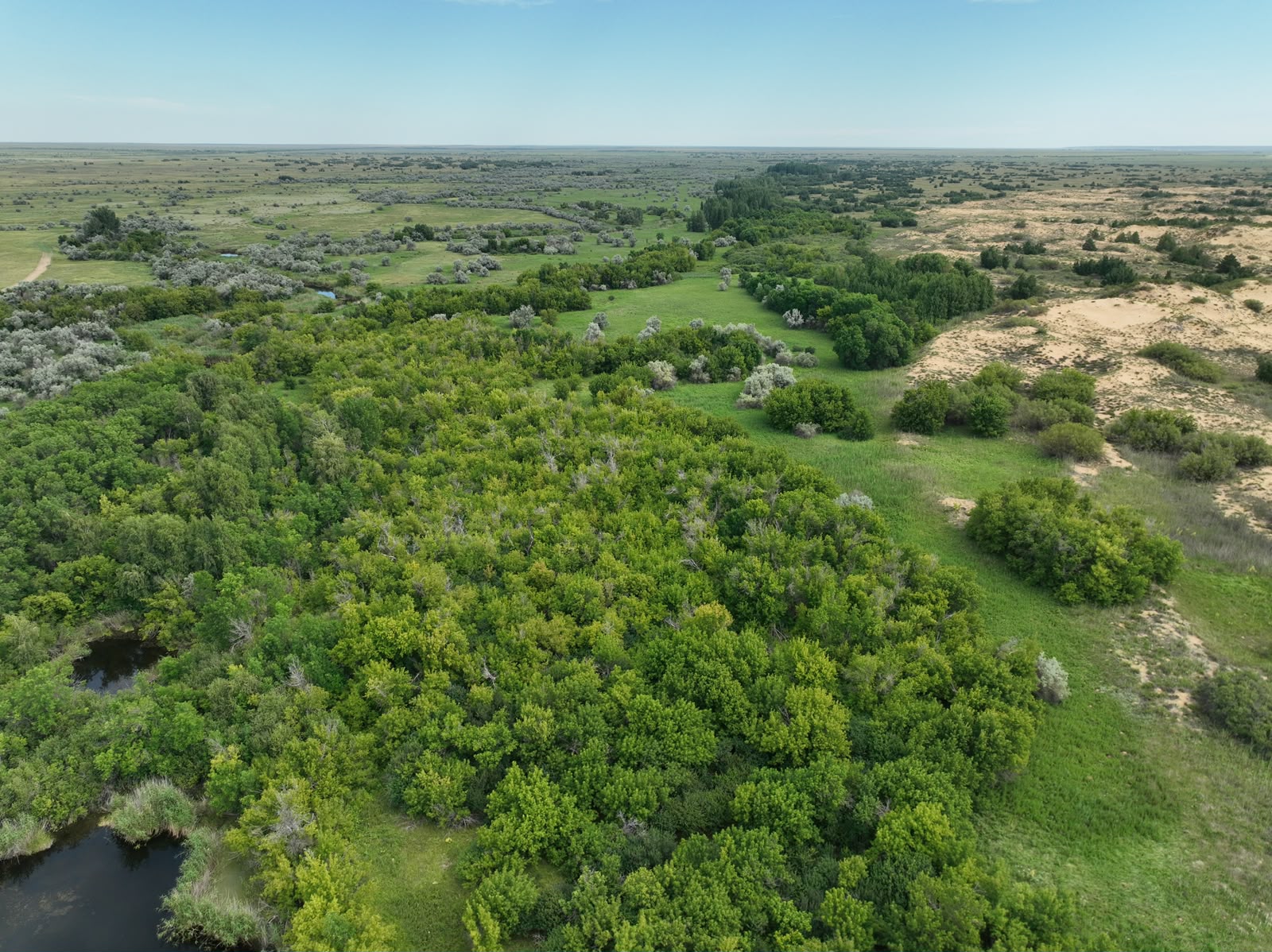
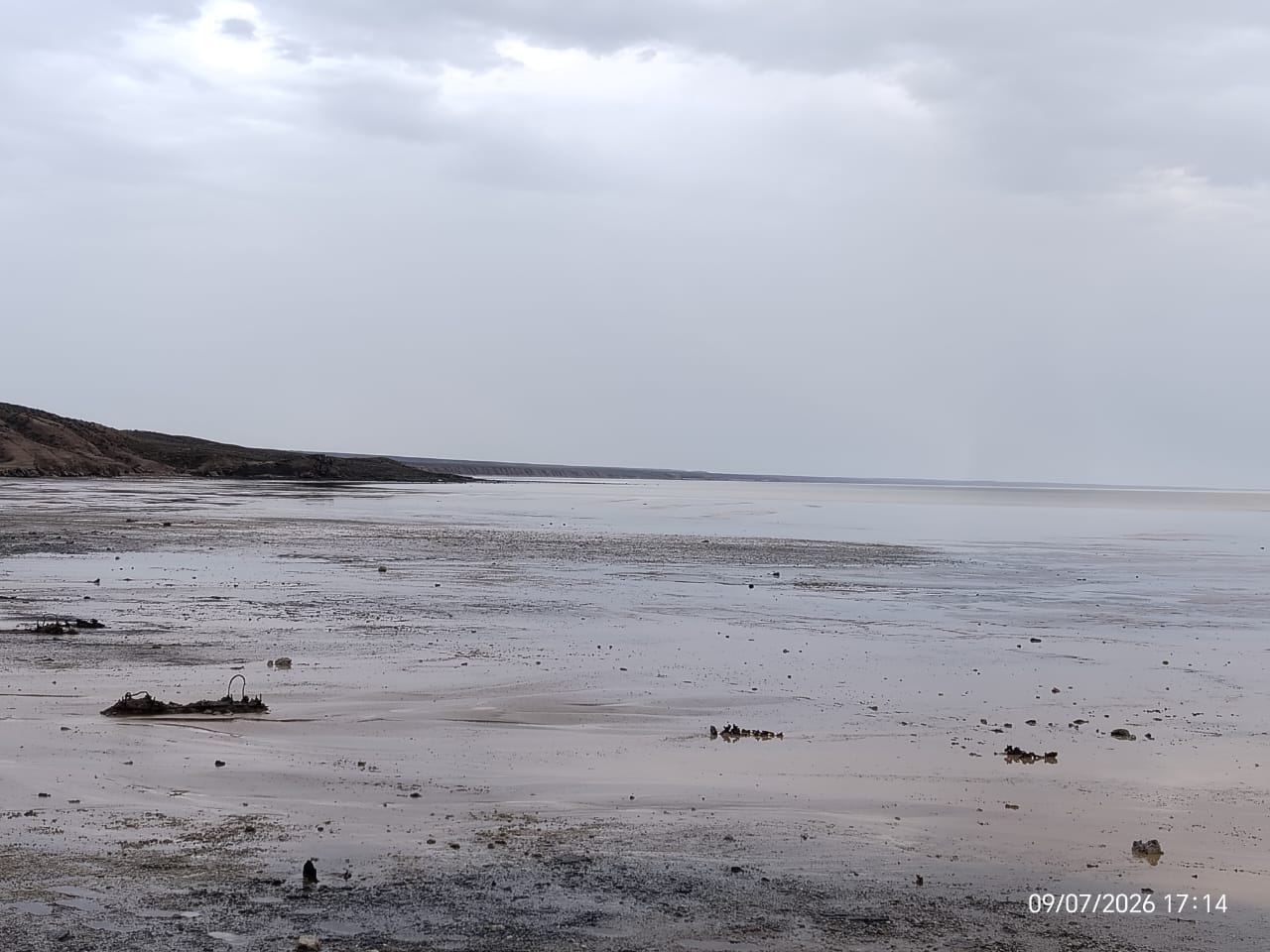
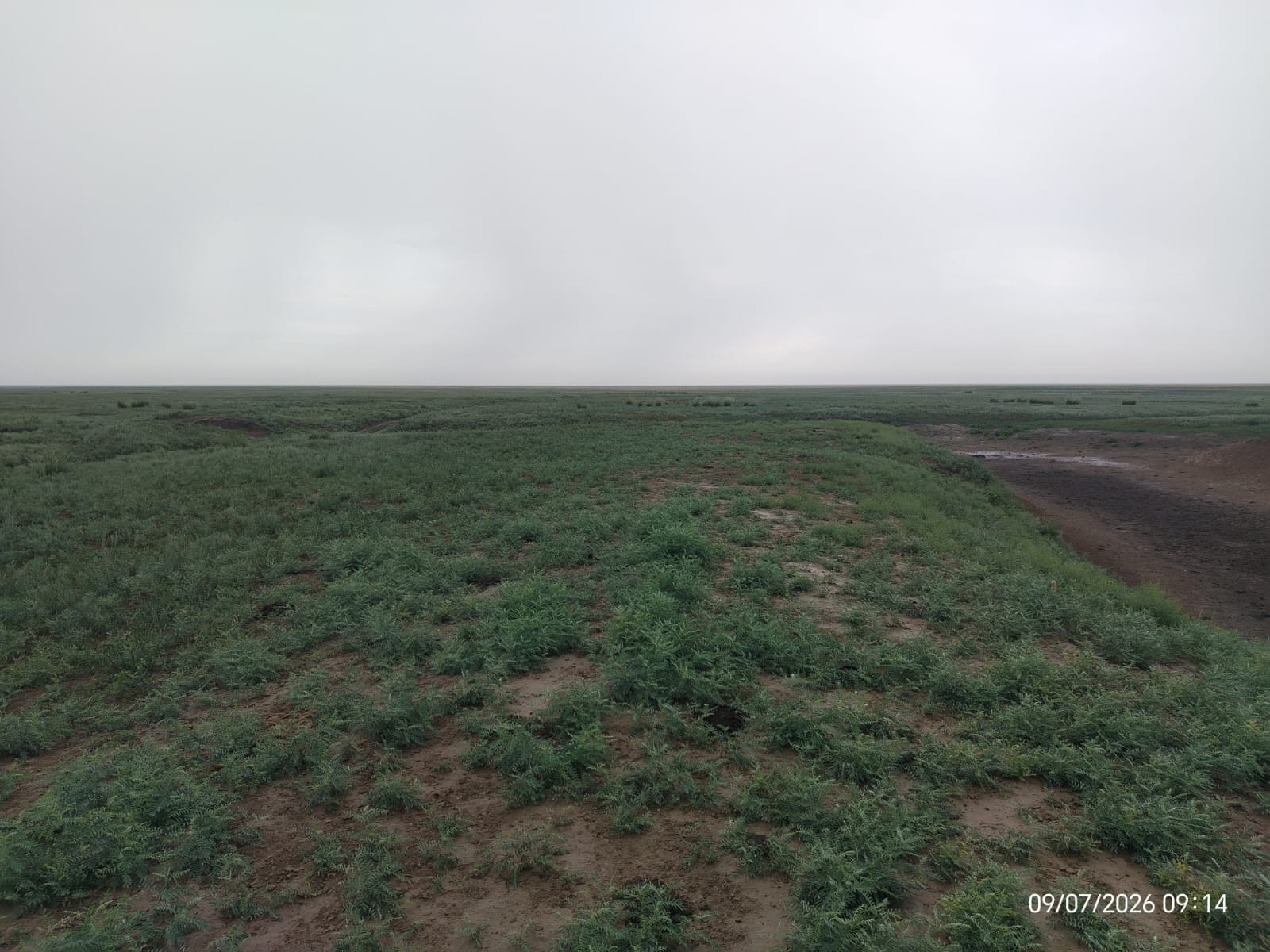
Field investigations were carried out at major sandy areas located within three natural zones: steppe, semi-desert, and desert. The surveyed sites included the Buygyl Sand Massif, Taubau and Karaağash localities, Zharshagyl Sands, Akkum, Kokozek Sands, and Karagandy Sands in the West Kazakhstan Region, as well as the Taisoygan Sand Massif in the Atyrau Region. In addition, mud samples were collected from Sorkol Lake and Inder Lake for further laboratory analyses.
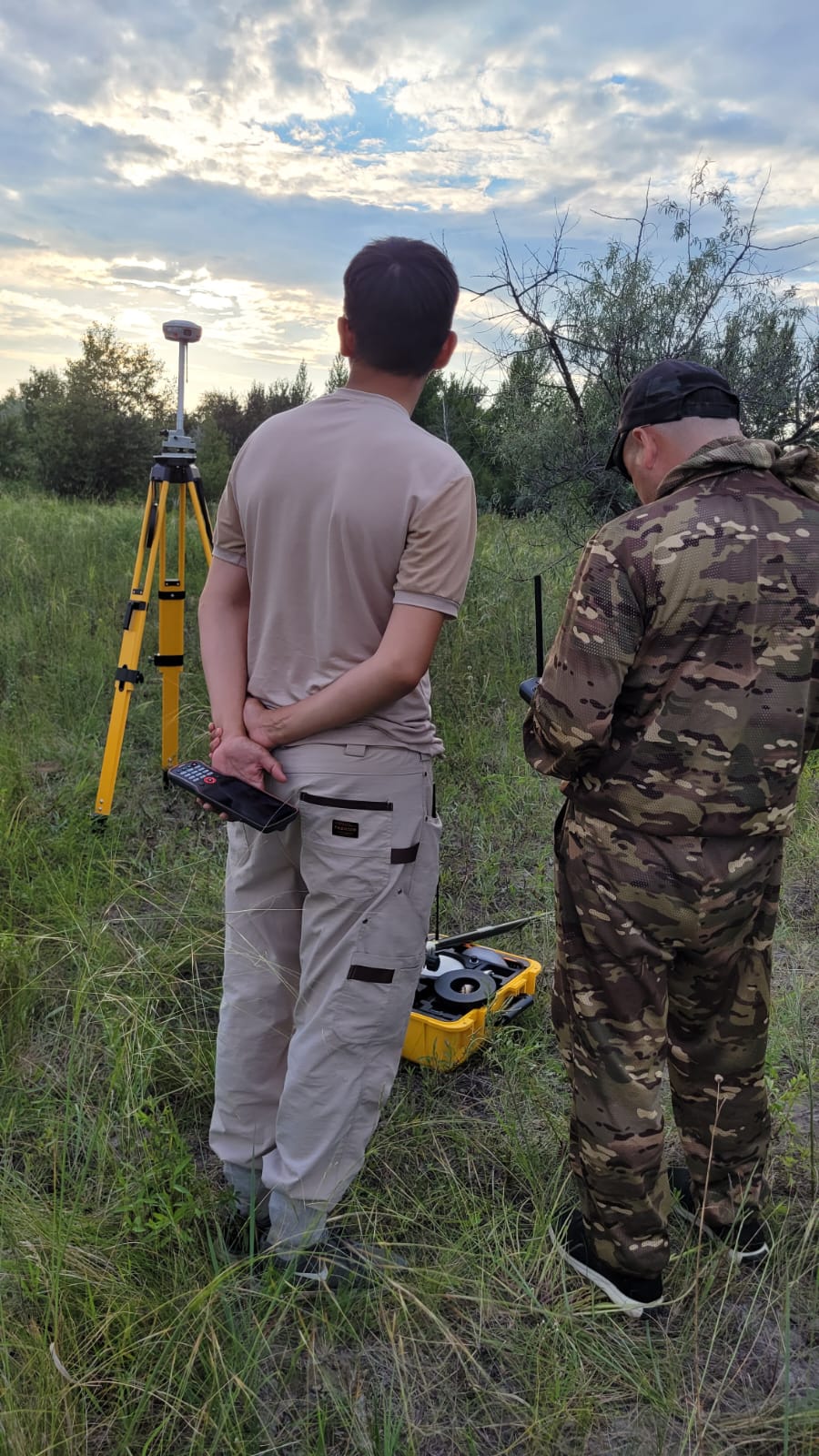
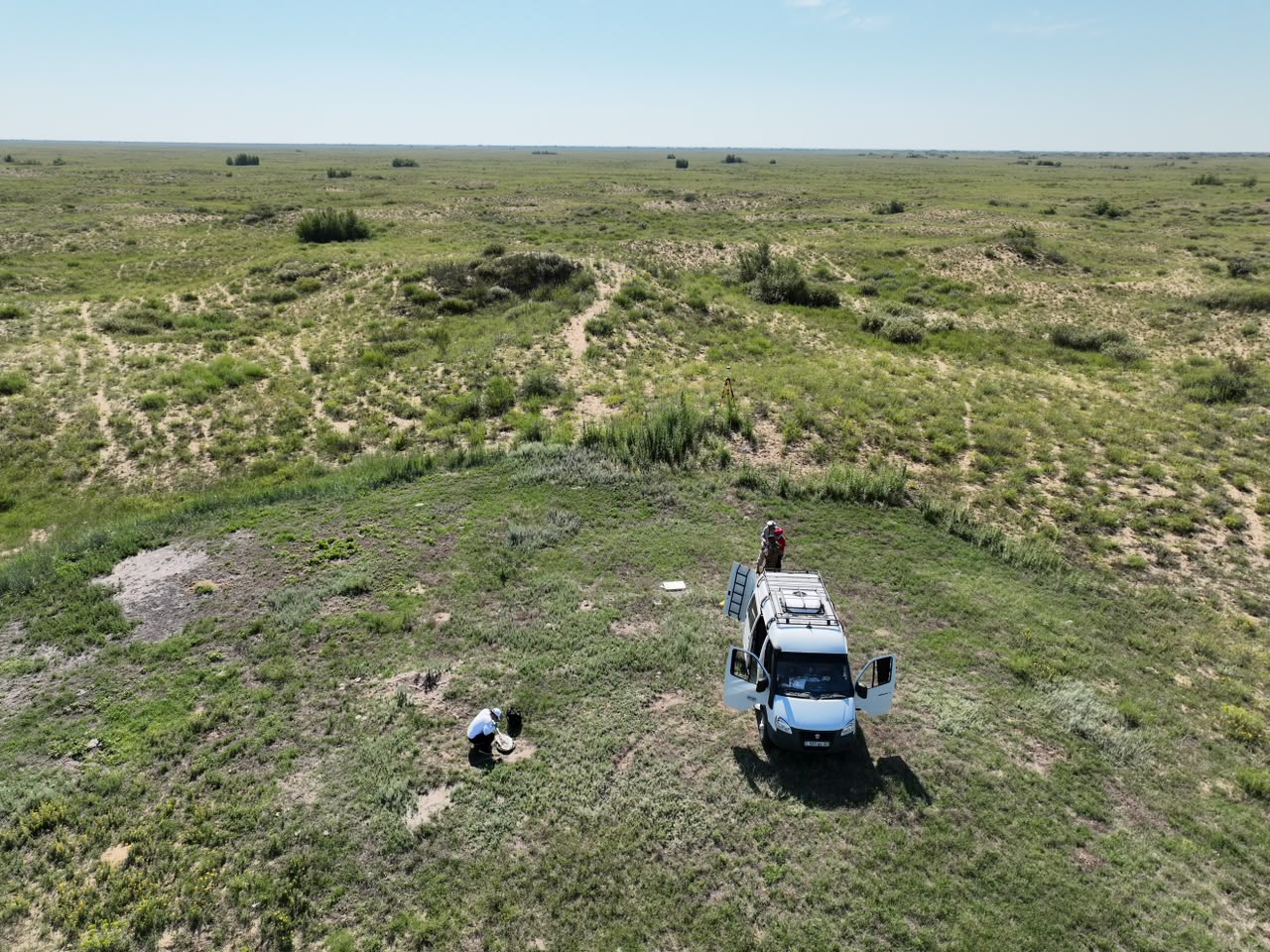
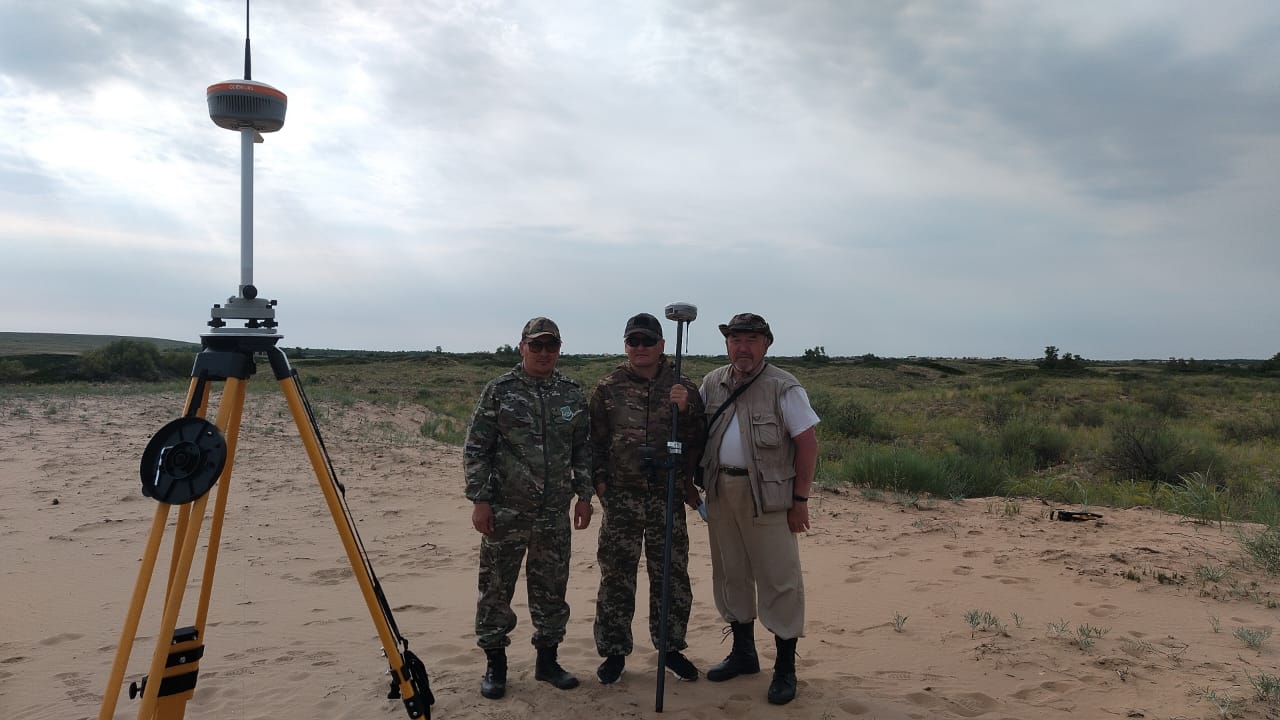
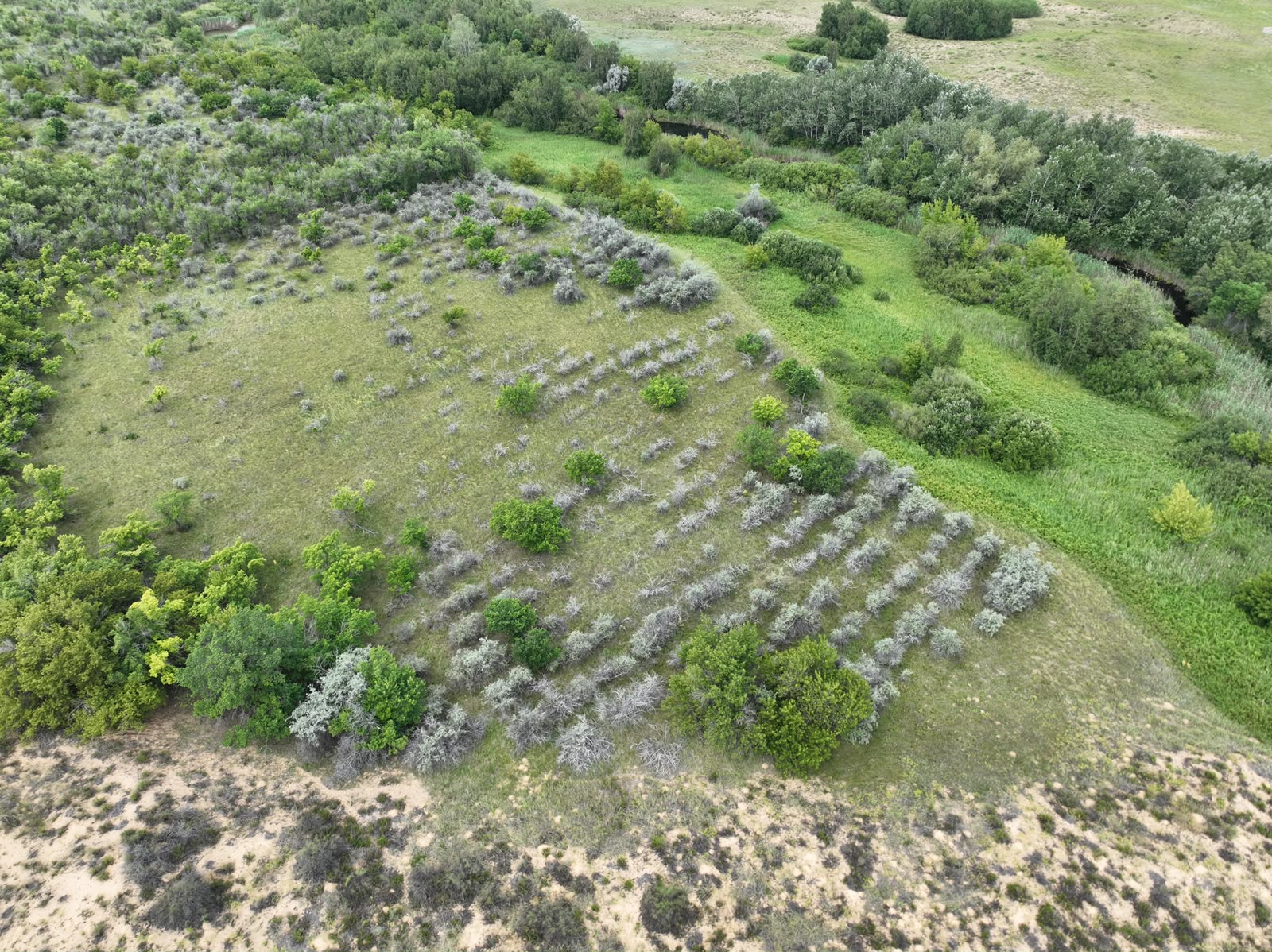
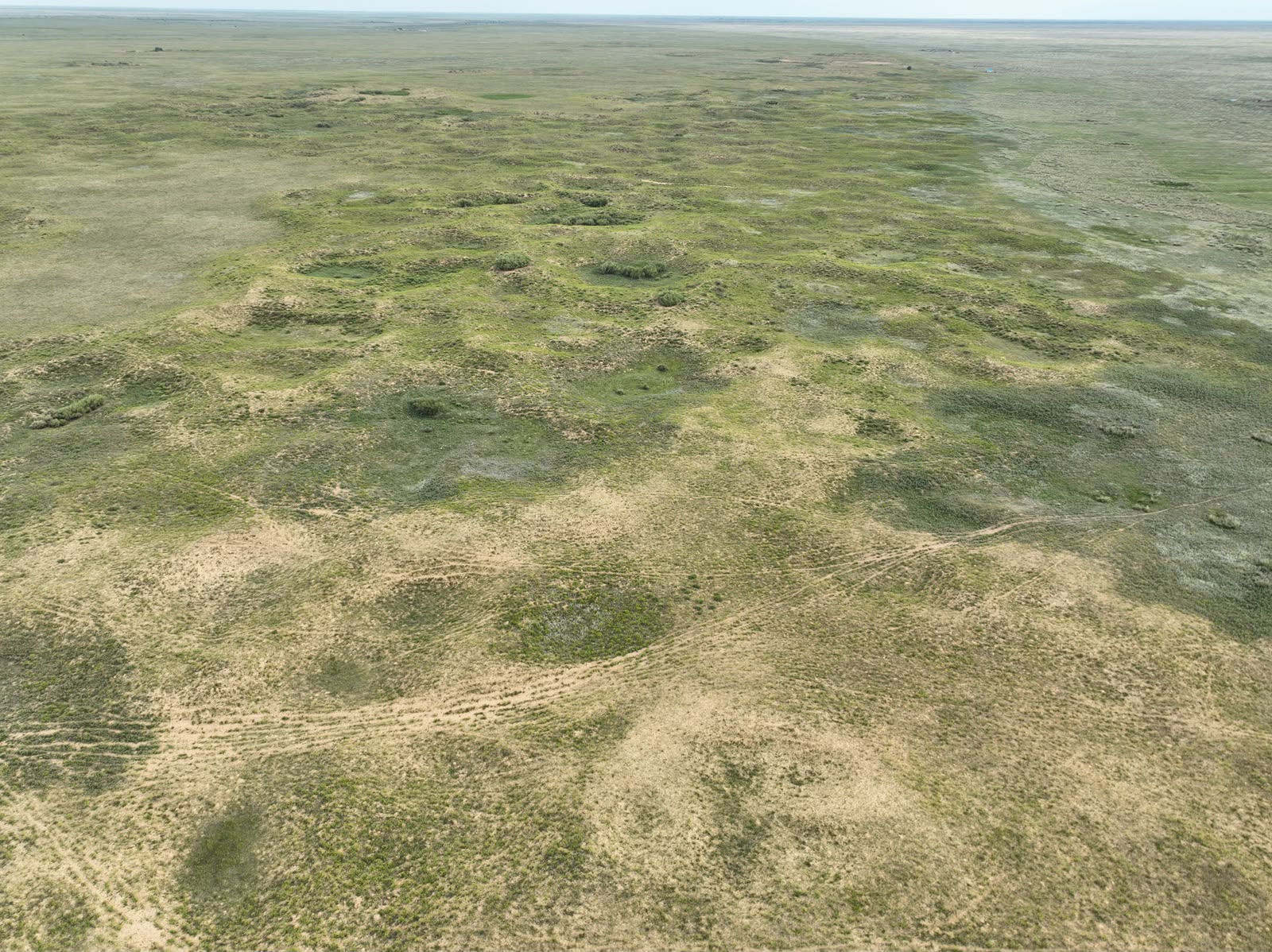
During the expedition, high-resolution UAV aerial surveys were conducted over all sandy areas. Topography, vegetation composition and condition, and anthropogenic features were documented. Geobotanical profiles were established using GNSS receivers, and mud samples were collected from saline lakes.
The investigated territory was found to contain diverse natural and natural-technogenic complexes, significant mineral resources, and important industrial and social infrastructure facilities. The study also assessed the degree of anthropogenic transformation of landscapes and its impact on the environmental condition of the region. The results highlight the need for comprehensive environmental risk assessment and the development of scientifically grounded recommendations for the rational and sustainable use of natural resources.