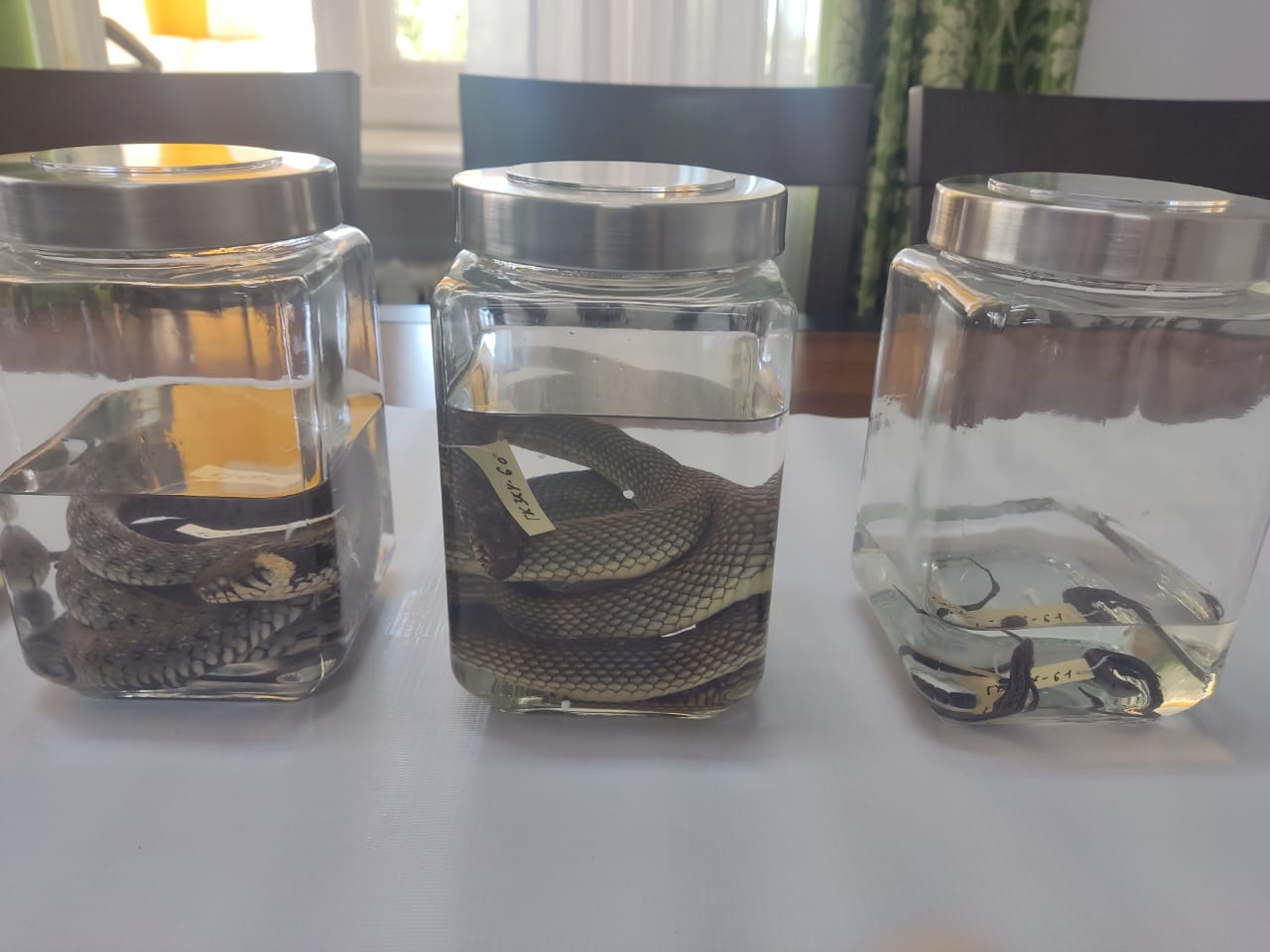
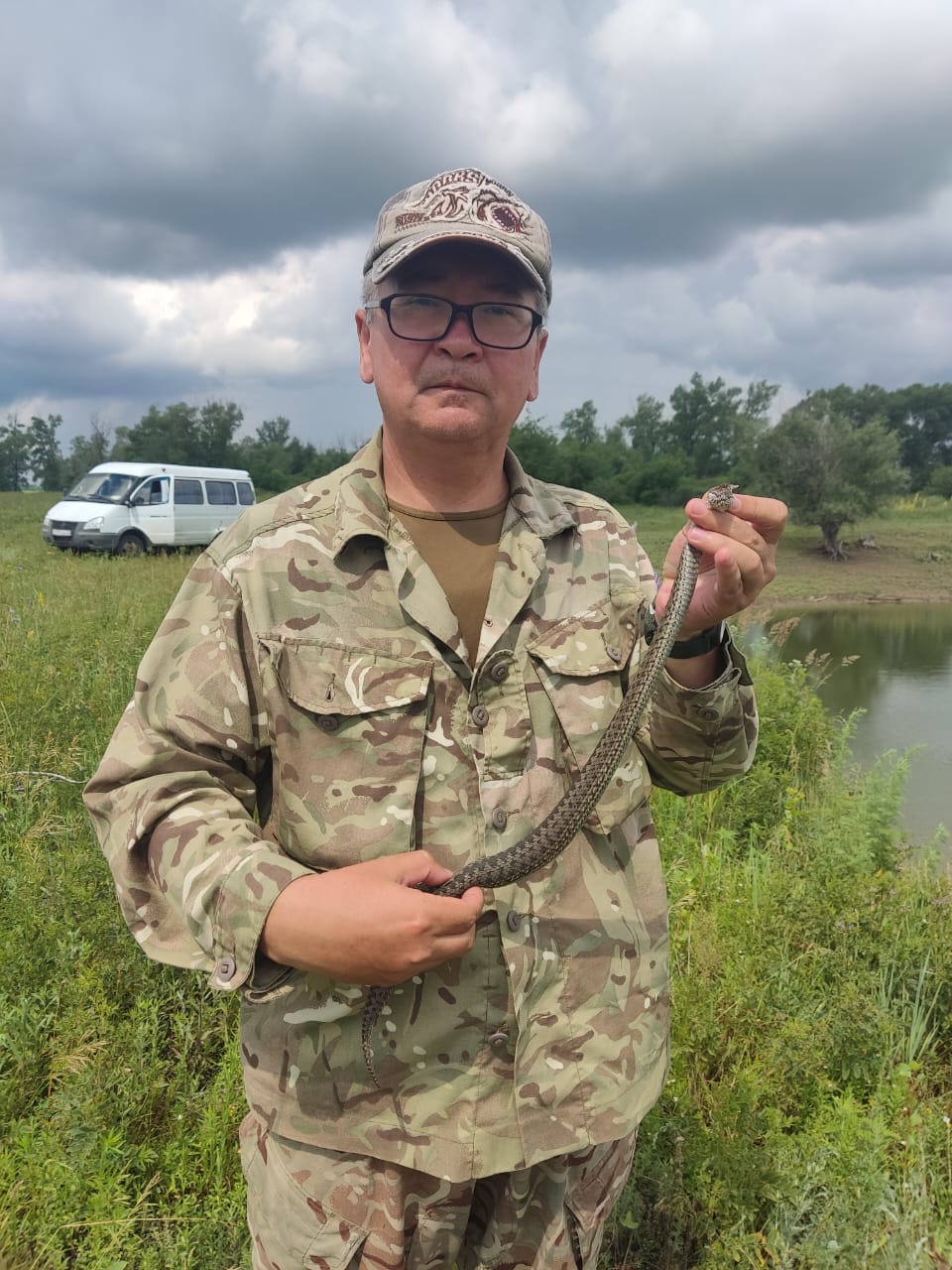
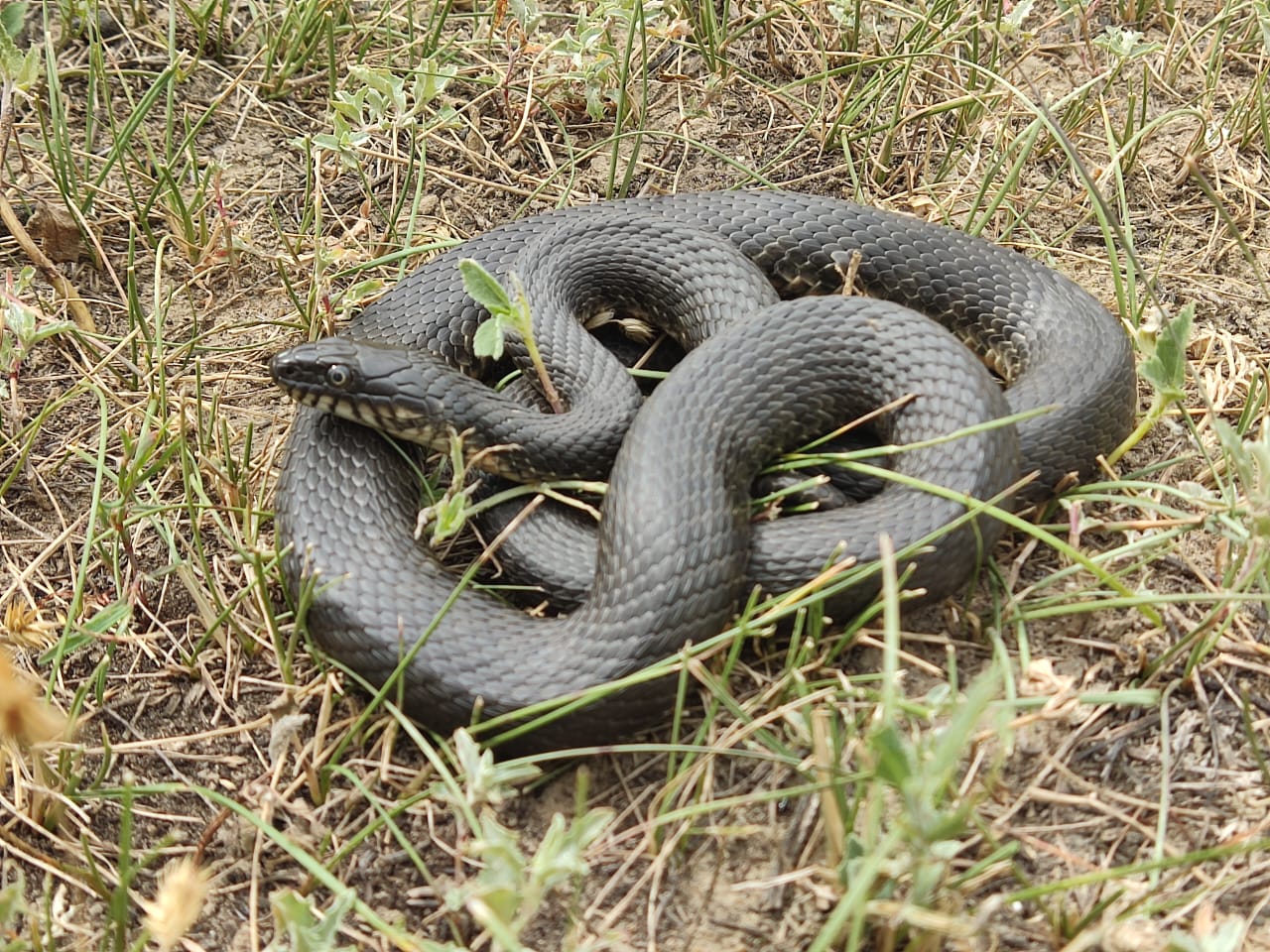
Between 17 and 22 June 2026, international field studies in geography and herpetology were carried out in the West Kazakhstan Region (Uralsk, Terekta, Taskalyn and Baiterek districts) as part of research programme BR28712767- entitled “Study of Ecological, Socio-Demographic, Economic-Geographical, and Paleobiogeographical Aspects of the Urals and Assessment of Its Natural Resource Potential”. Surveys were carried out of the Santas and Sasay salt dome mountains, Lake Shalkar, the gallery forests of the floodplains of the small rivers Yembulatovka and Bykovka, and the floodplain landscapes of the Zhayik River on both banks. Foreign researchers from the Russian Federation and master’s students from the university also took part in the fieldwork. New sightings of amphibians and reptiles were recorded. New habitats for the Viviparous Lizard and the Firebelly Toad were documented. Photographic surveys were carried out and biotopes were described. Samples were collected for DNA analysis. The University's herpetological collection has been replenished with 2 specimens of viviparous lizards (male and female). The results of the expedition will be analysed.
The most interesting findings:
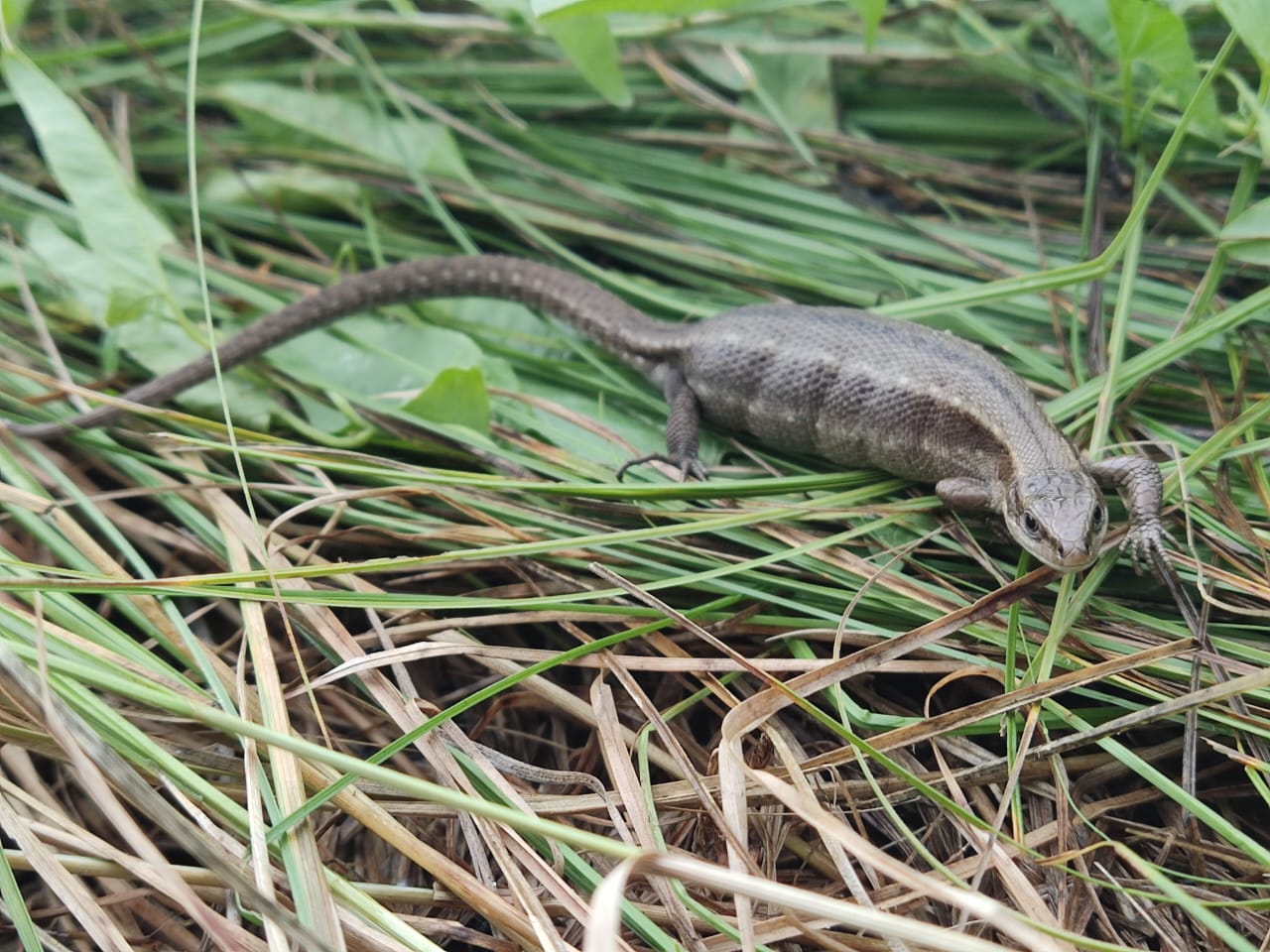
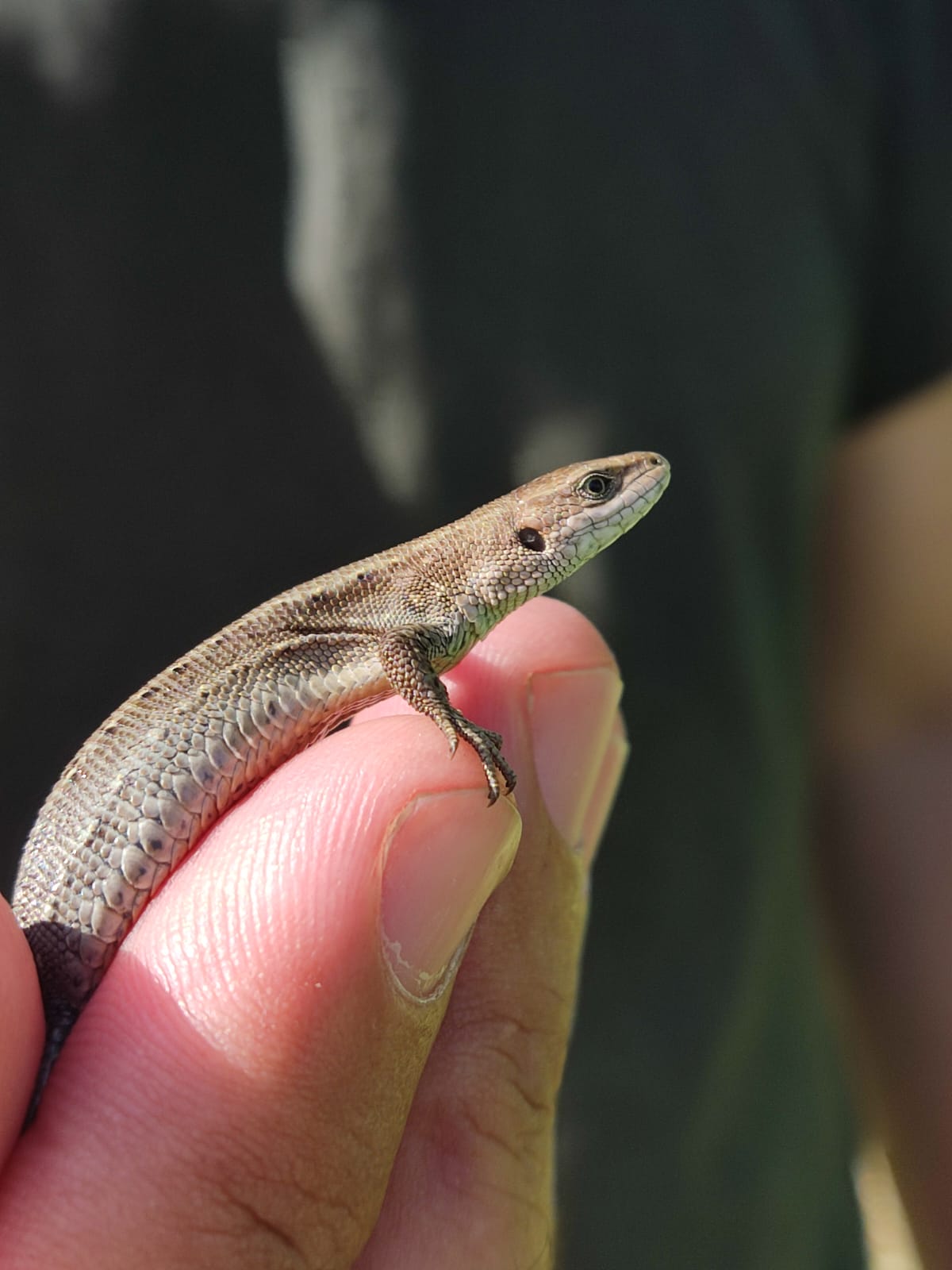
- The data have been obtained indicating a wider distribution of the viviparous lizard Zootoca vivipara (Jacquin, 1787) (known locally as ‘zhasył kesirtke’ – green lizard) in the left- and right-bank floodplains of the Zhaiyk River. The most recent scientific data on the viviparous lizard in the West Kazakhstan Region date back to the 2000s, as reported in the works of zoologists Zh.M. Karagoyshin and M.A. Chirikova. We have reliably obtained new, up-to-date data on the distribution of this species. The lizard is commonly found on forest edges, in overgrown clearings, and along river channels in floodplains with shrubby thickets. In Kazakhstan, the viviparous lizard is found only in the northern regions of the republic, in the West Kazakhstan, Akmola, Pavlodar and East Kazakhstan regions.
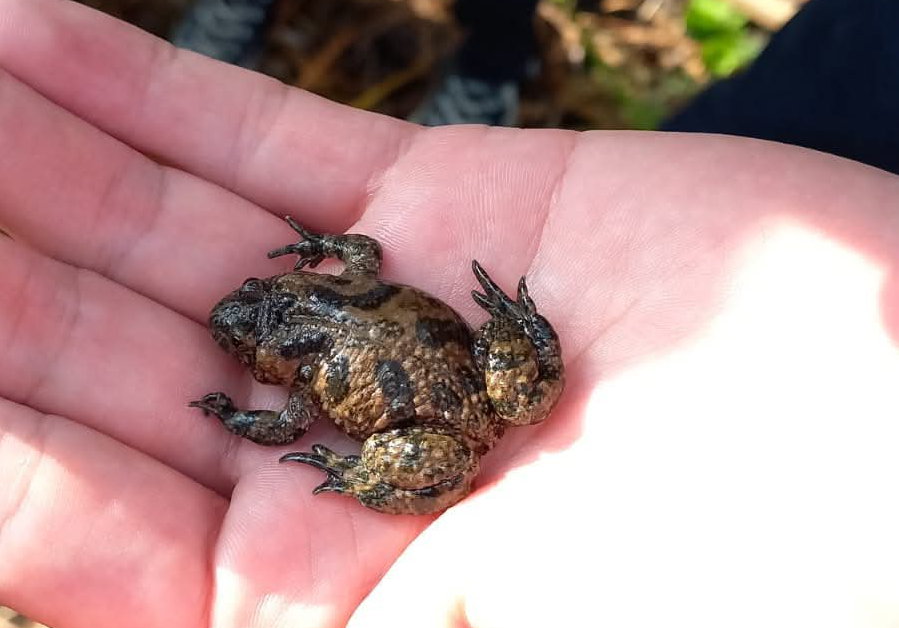
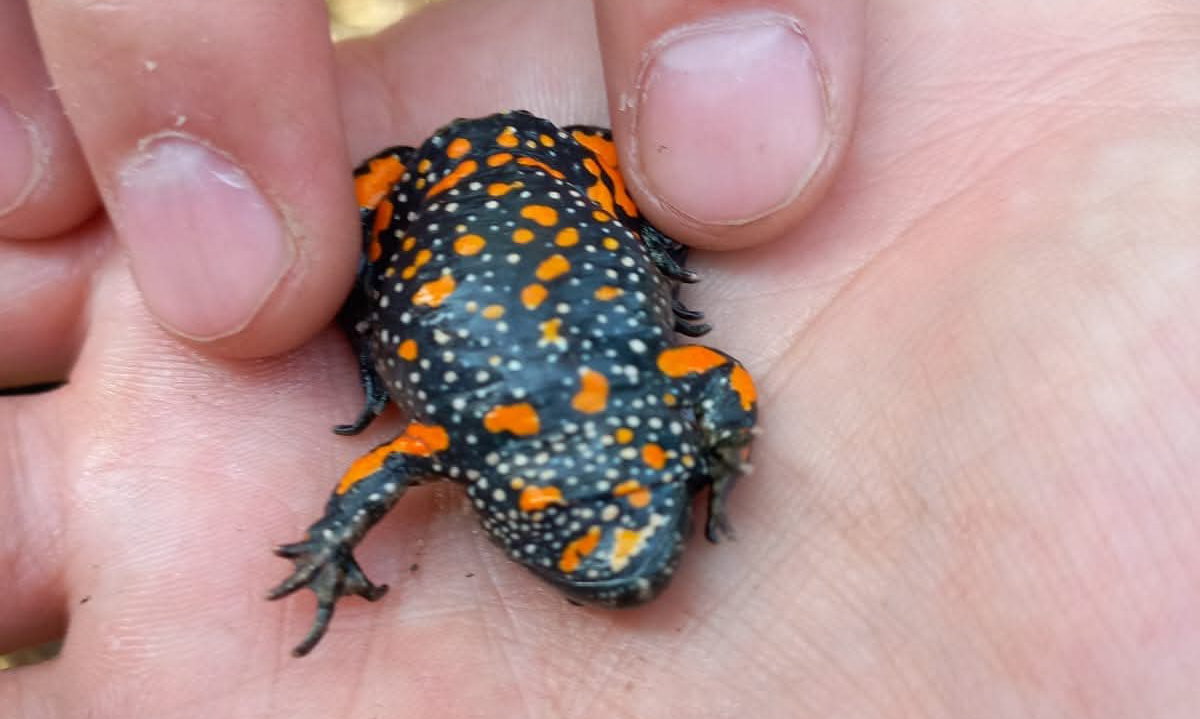
- The data has been obtained on the wider distribution of the Firebelly Toad, Bombina bombina (Linnaeus, 1761) (known locally as ‘kyzilbauyr shubar baqa’). The Firebelly Toad is very rarely seen, but in spring and early summer it can easily be detected by its call. It is listed in the International Red List. In our region, the fire-bellied toad is one of the rarest and least widespread amphibian species; its population is declining in many areas, and in some places it has already disappeared. The species therefore requires protection.