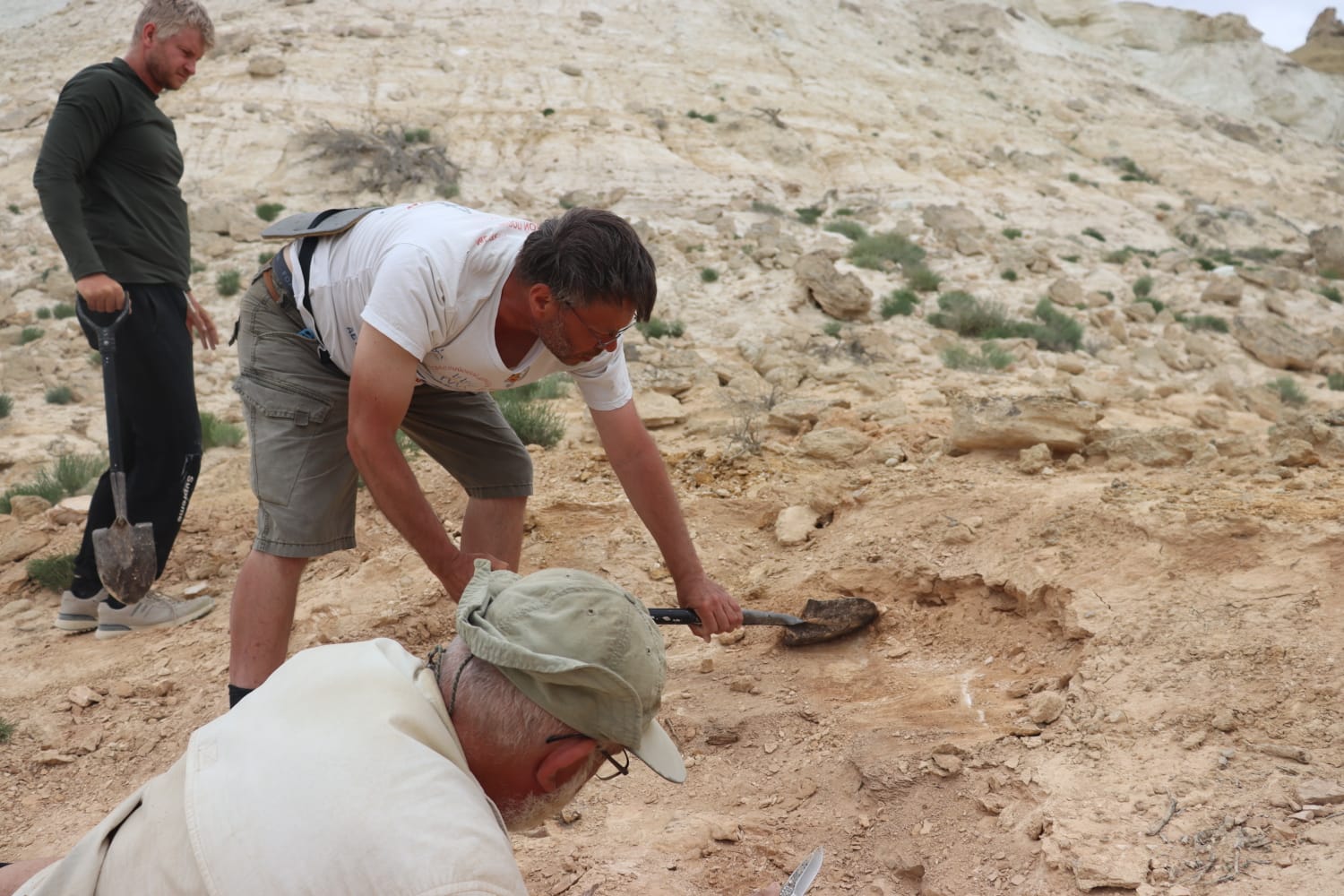
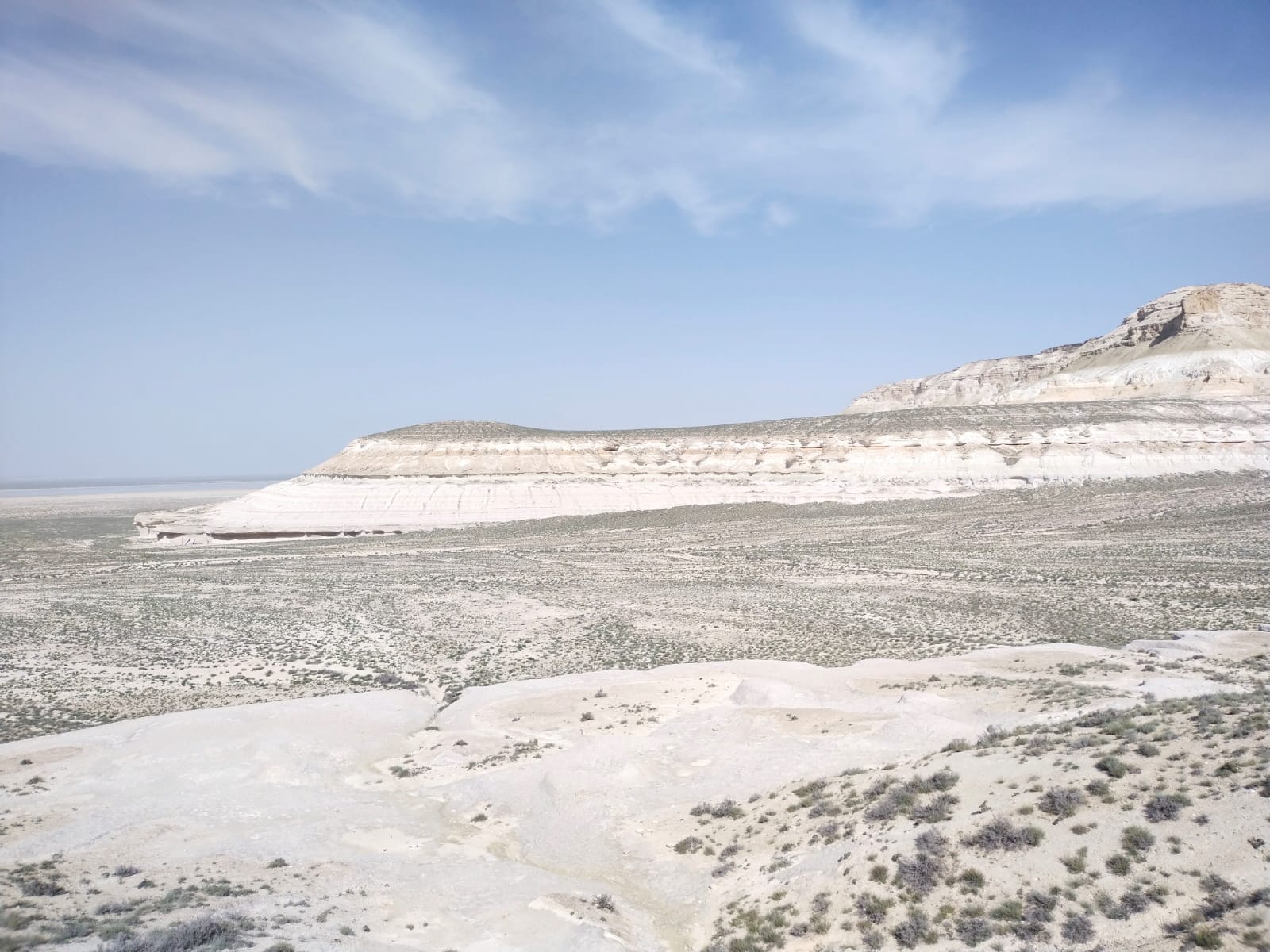
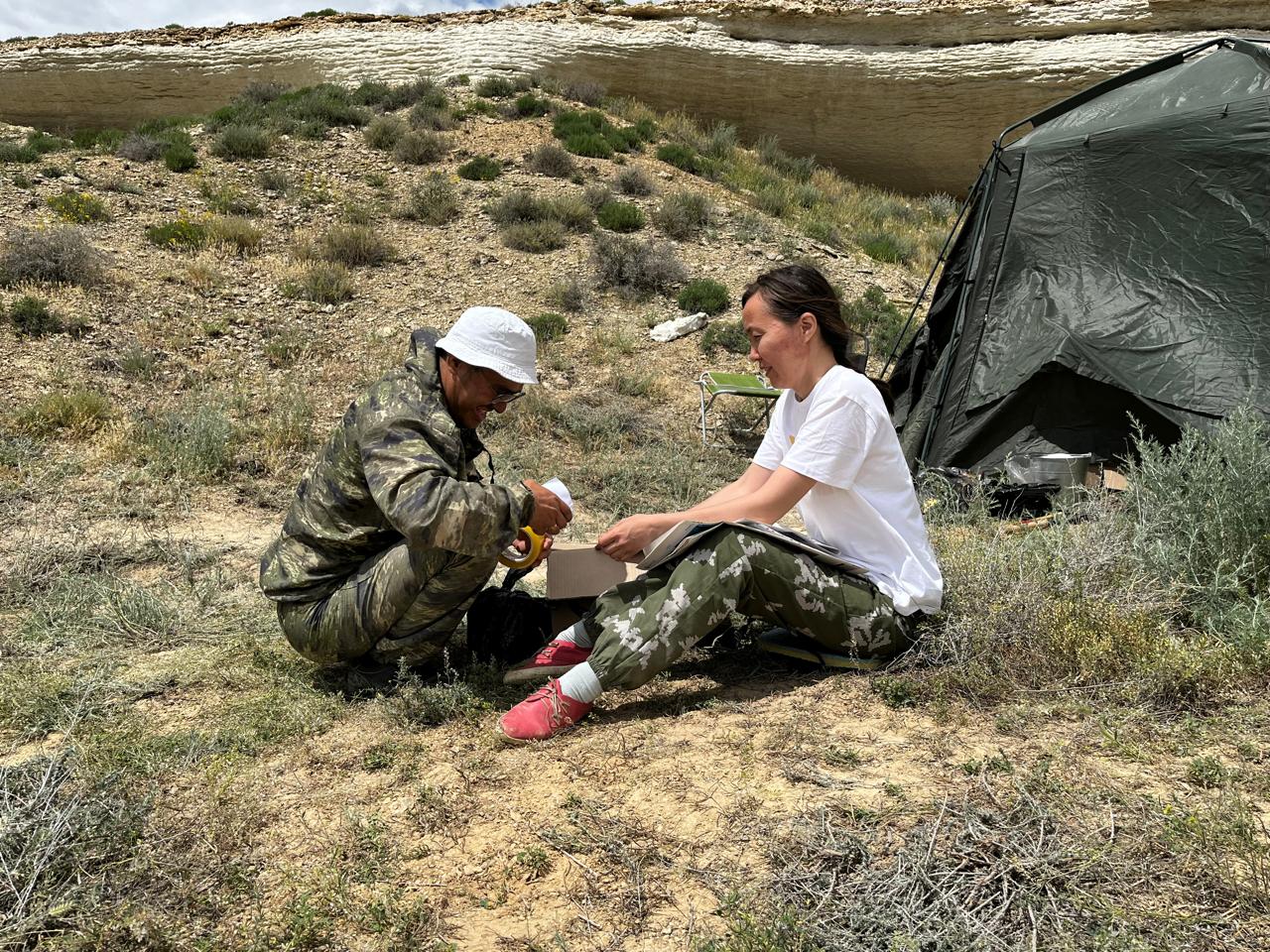
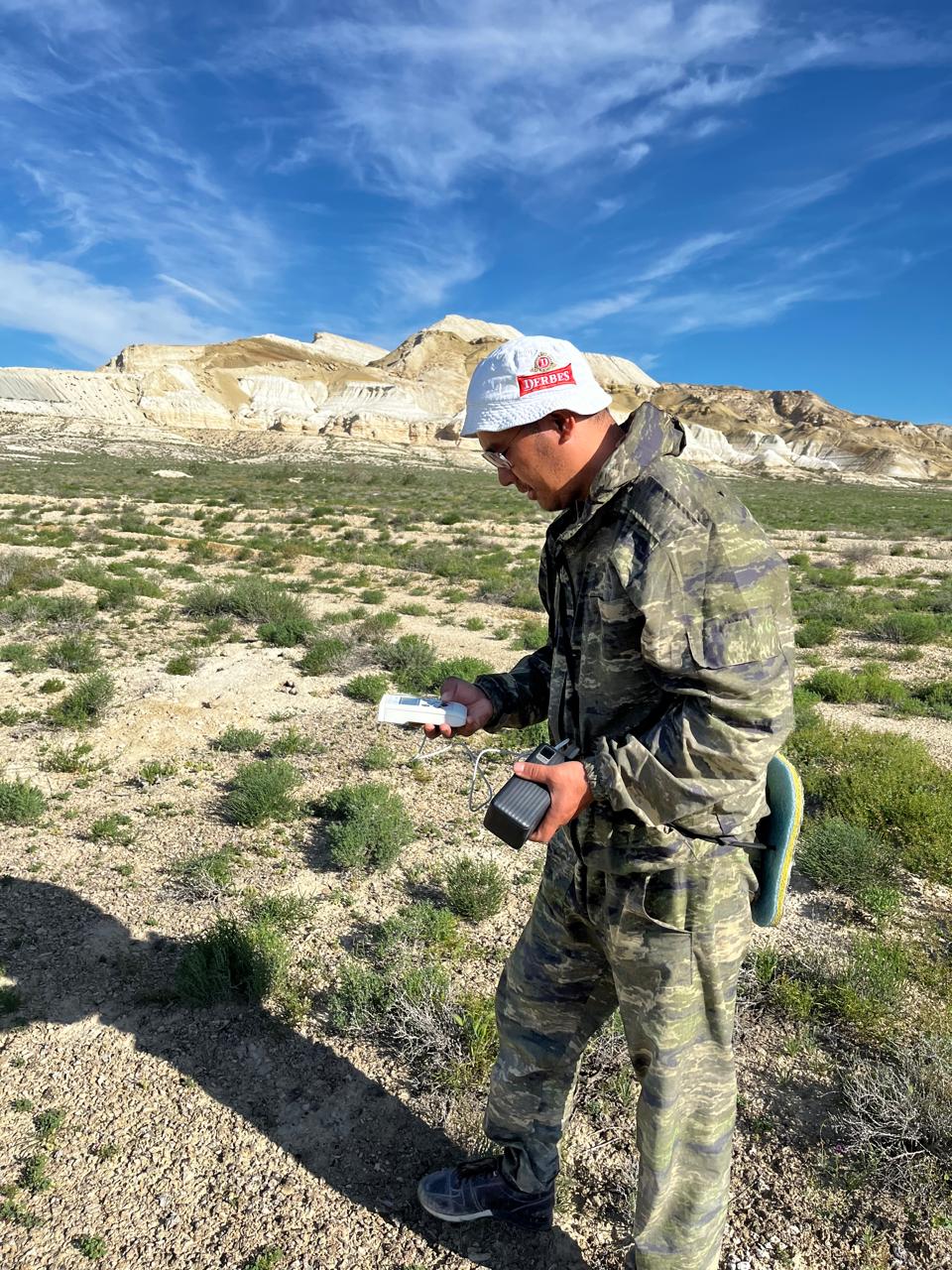
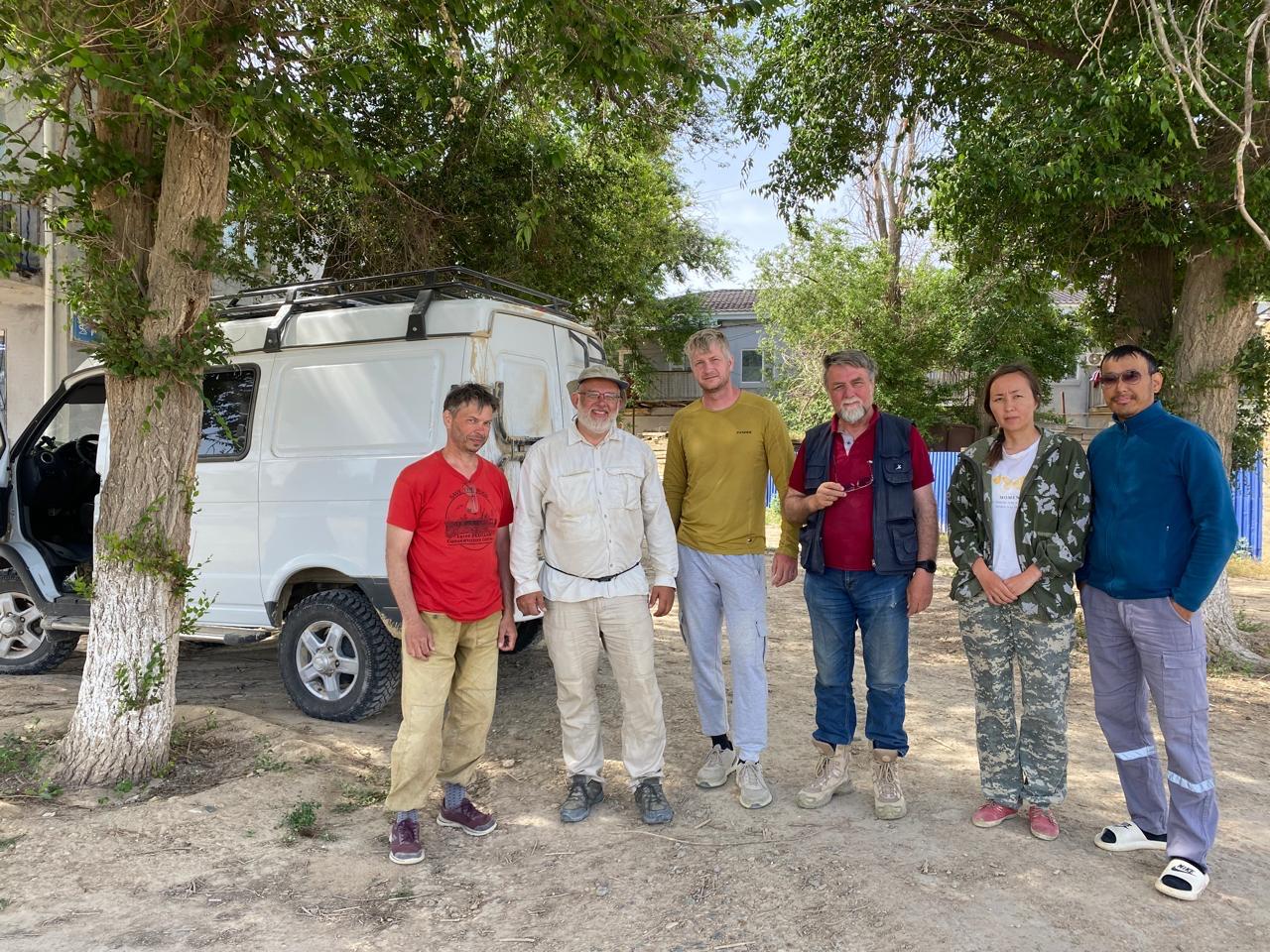
From 14 May to 14 June 2026, an international paleontological expedition aimed at discovering fossil vertebrate remains is being carried out in the Atyrau and Mangystau regions of Kazakhstan within the framework of Program BR28712767 entitled “Study of Ecological, Socio-Demographic, Economic-Geographical, and Paleobiogeographical Aspects of the Urals and Assessment of its Natural Resource Potential”.
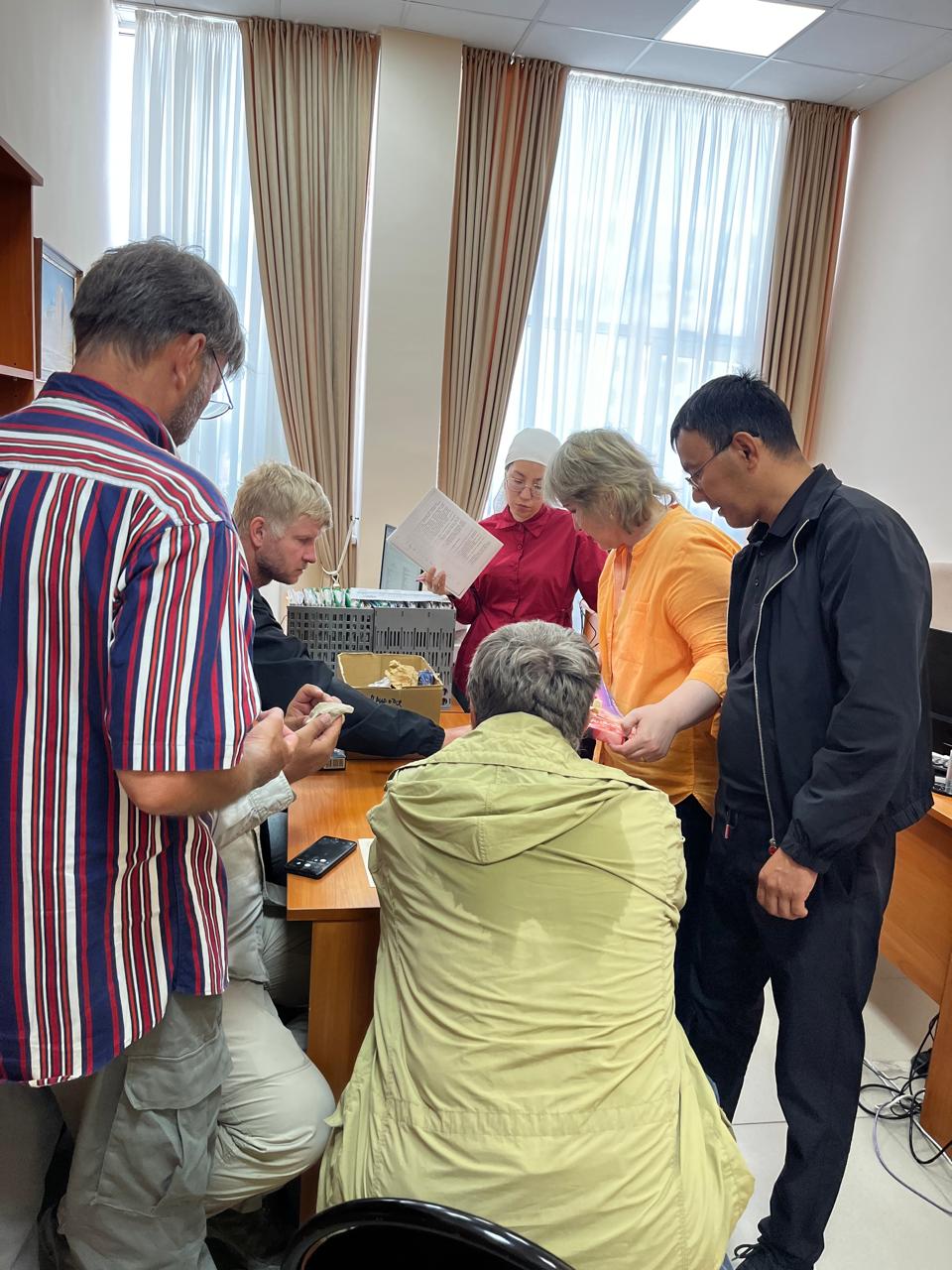
The expedition includes young paleontologists from the M. Utemisov WKU, research staff members M.T. Berliguzhin and D.B. Yakupova, and scientists from the Zoological Institute of the Russian Academy of Sciences (St. Petersburg, Russian Federation): I.G. Danilov, Ye.A. Zvonok, A.V. Panteleyev, A.S. Rezviy.
For our young scientists, this is a unique opportunity to gain advanced knowledge and practical experience directly from recognized experts in the field of paleontology, and to work alongside renowned scientists to study paleontology and stratigraphy – a unique scientific and practical summer school organized as part of the expedition.
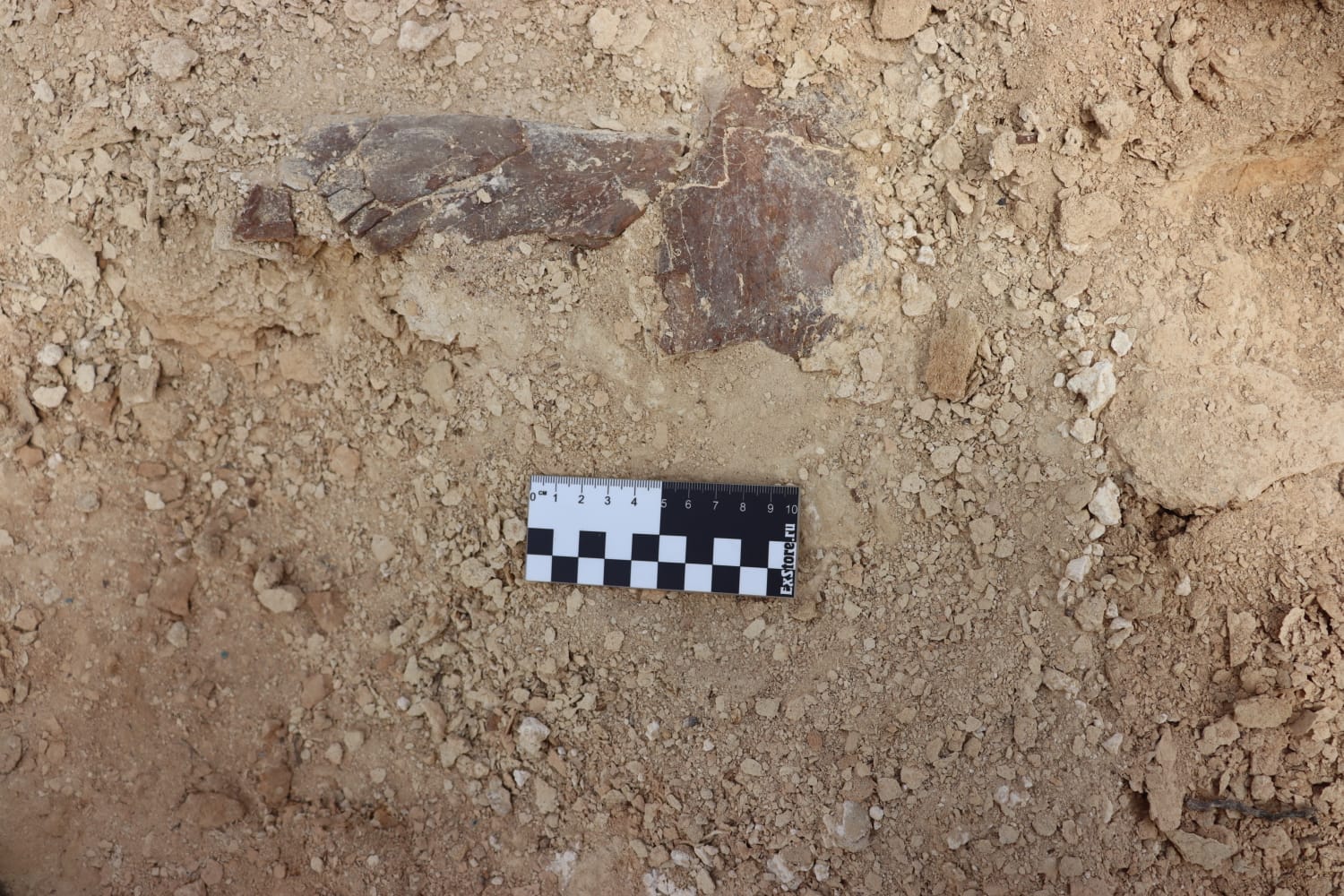
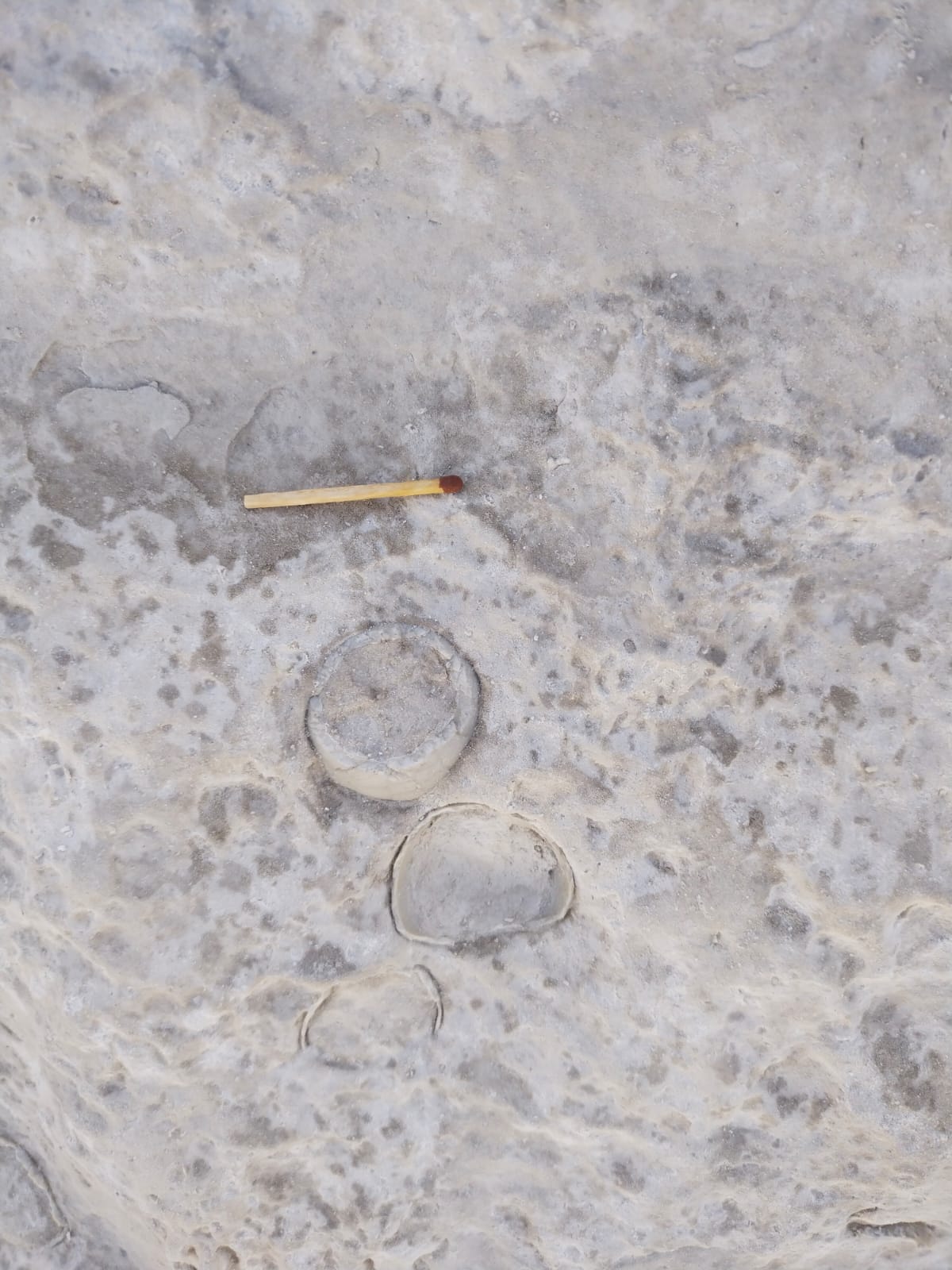
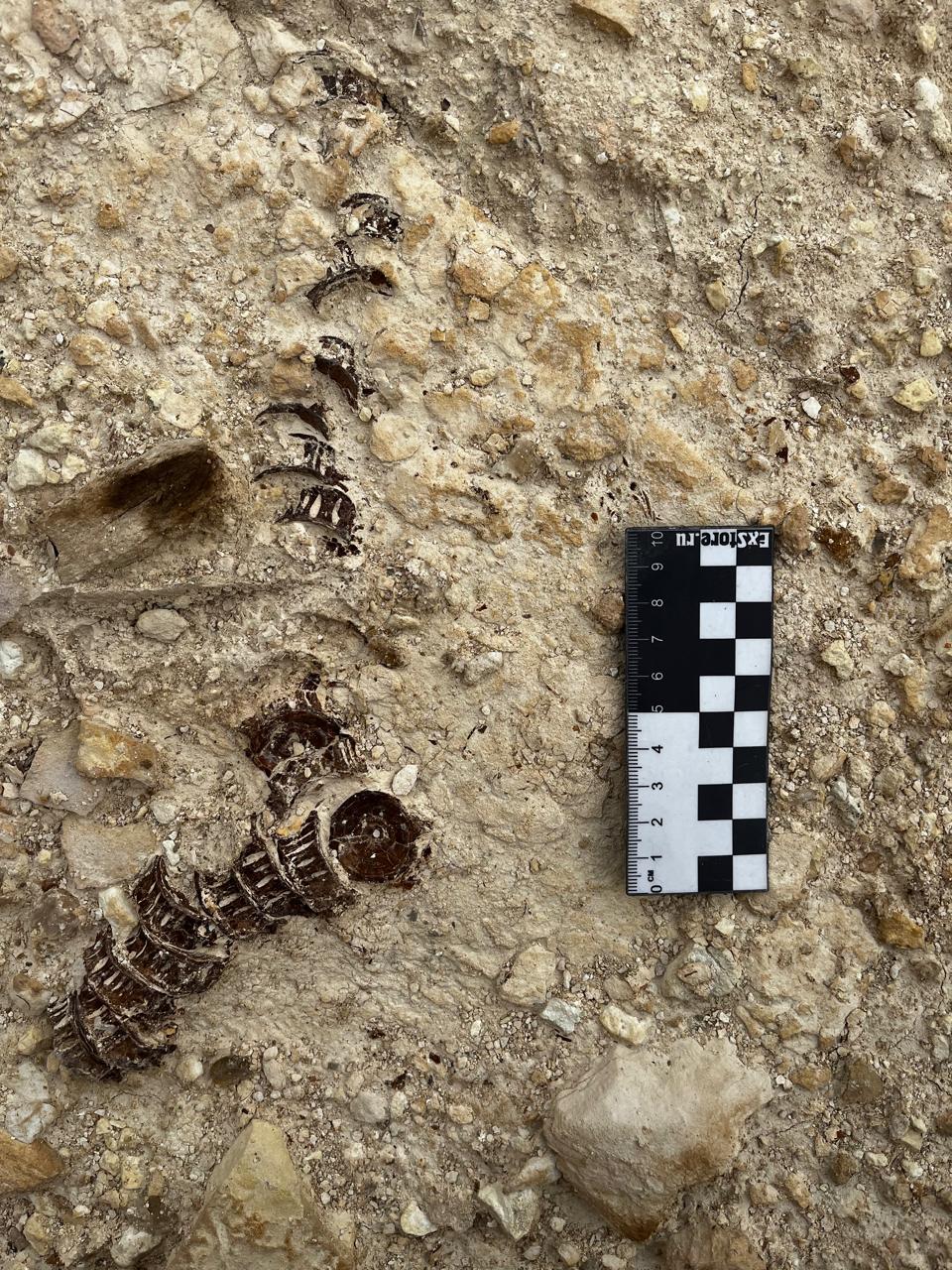
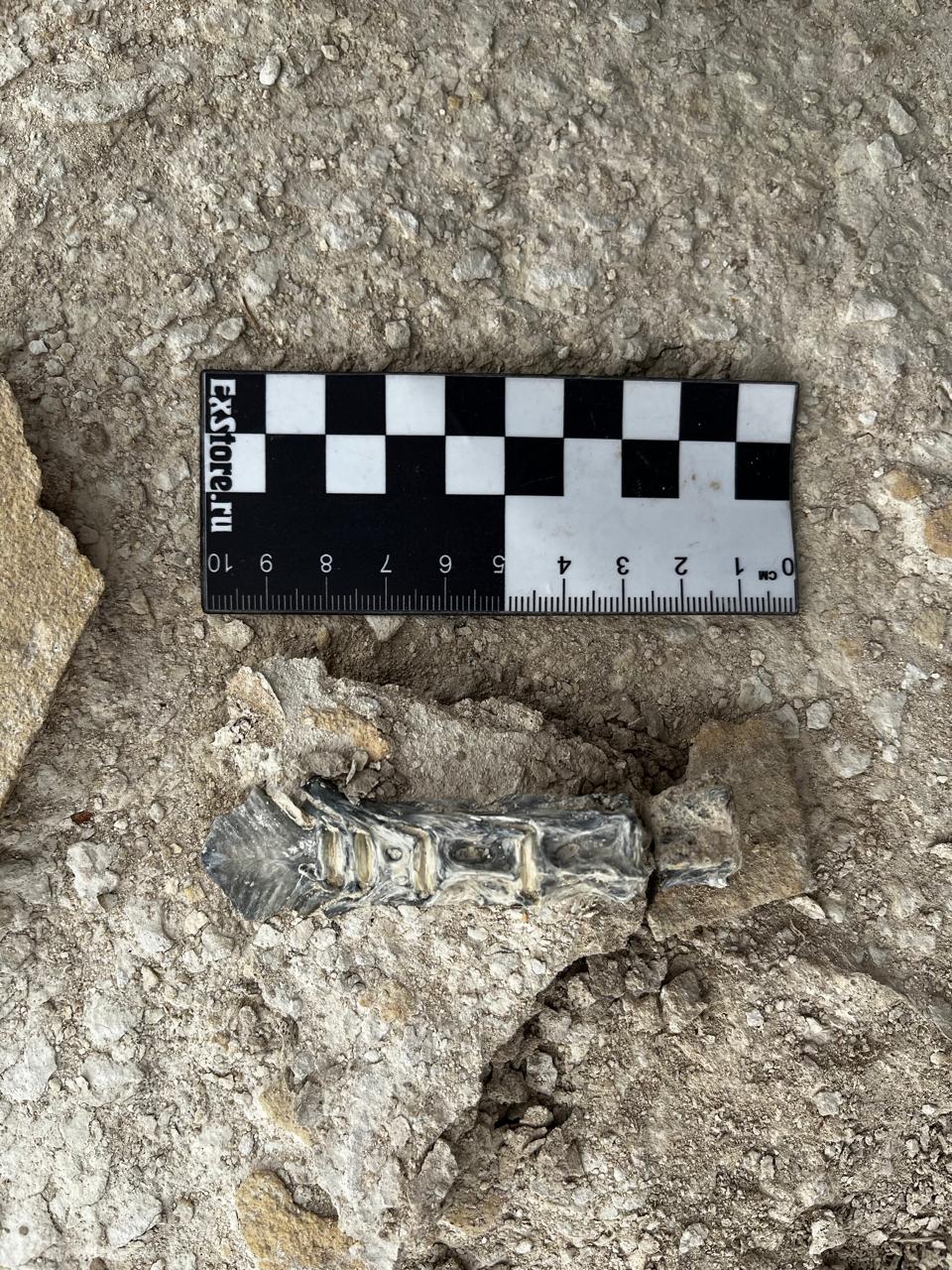
As part of the expedition, the participants visited the following paleontological sites: Sholkar, Zheltau, Kert, Bagda, Monata and others. The scientists also visited the collections of the Atyrau Regional Museum of History and Local Lore and the Mangistau Regional Museum of History and Local Lore named after Abish Kekilbayuly. During the expedition, the following were collected shark teeth, and the bones of fish, turtles, sea snakes and mammals. Of particular interest within the programme are the turtle specimens, comprising several skeletons in varying states of preservation and scattered fragmentary remains. Once these specimens have been prepared and studied in the laboratory, they will significantly expand our knowledge of the morphology and phylogenetic relationships of the following taxa: Dermochelyidae indet., “Allopleuron” qazaqstanense, Protrachyaspis shorymensis and Tethychelys foveopalatus. To study other specimens, it will be necessary to involve specialists in specific groups of vertebrates. The study of the fossil material will be carried out jointly by paleontologists from both countries, and the findings will be published in scientific journals.
In 2027, scientists intend to continue their field research in the region. Western Kazakhstan remains a little-known hub for new discoveries in the fields of geosciences and paleontology. Paleontological finds are broadening our understanding of prehistoric life.