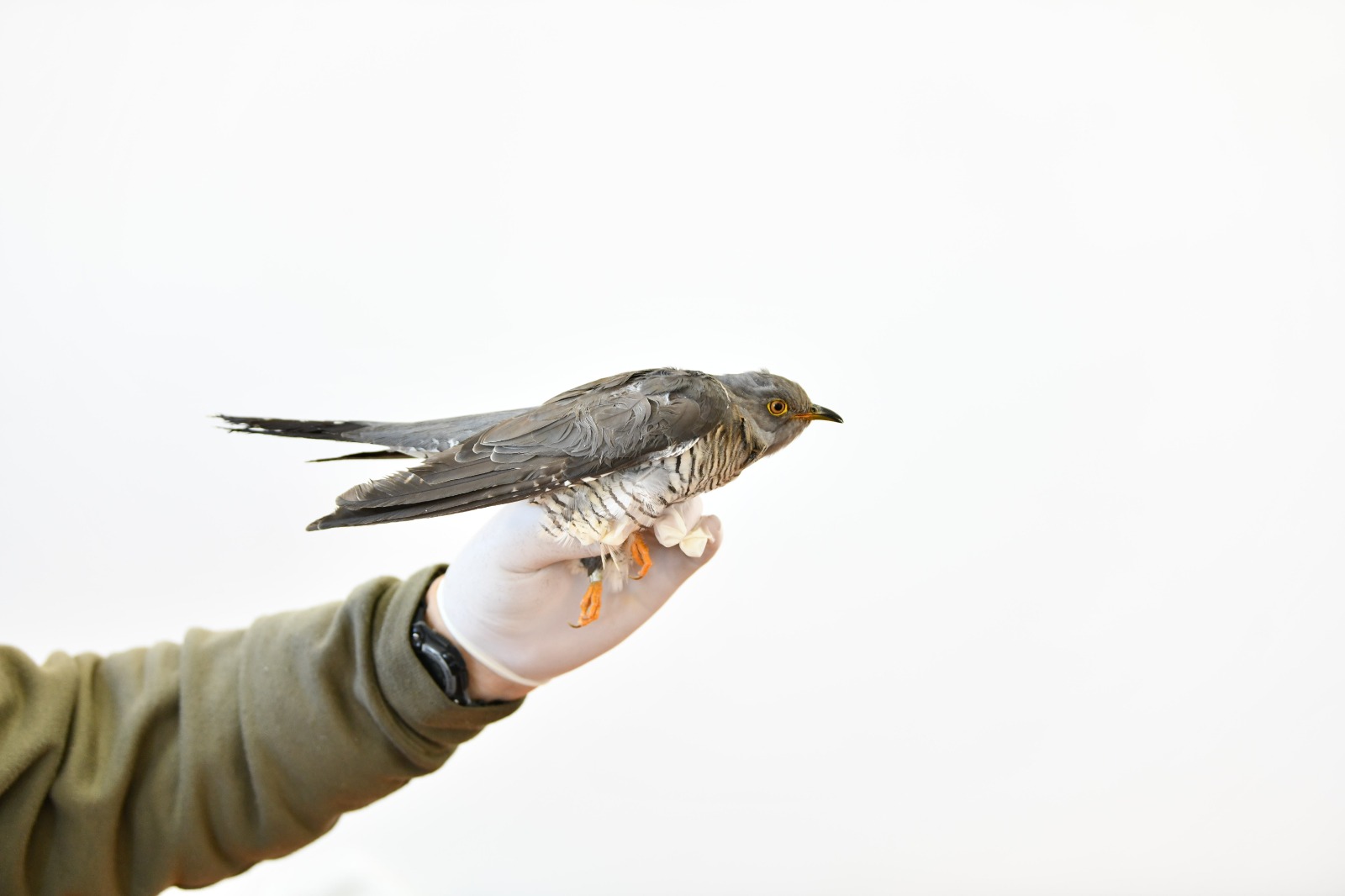
Ornithological research under the Centre for Academic and Research Excellence programme: Bird Ringing 2026
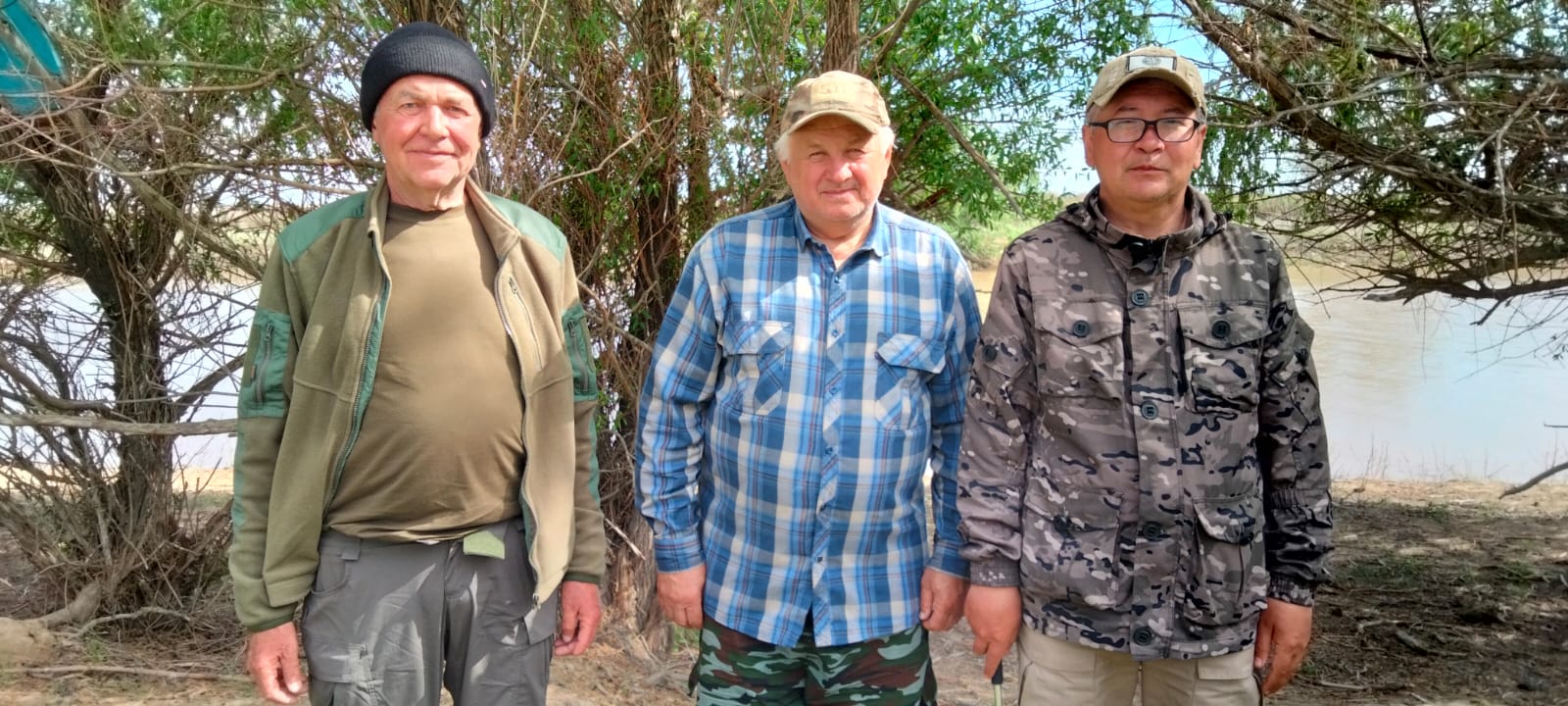
During the period from April 11 to April 30, field research was conducted in the West Kazakhstan Region within the framework of the scientific program BR28712767 – “Study of Ecological, Socio-Demographic, Economic-Geographical, and Paleobiogeographical Aspects of the Urals and Assessment of its Natural Resource Potential”. The research was carried out in collaboration with M.I. Shpigelman, a staff member of M. Utemisov West Kazakhstan University; M.Yu. Markovets, S.V. Mironov, and A.V. Panteleev, researchers from the Zoological Institute of the Russian Academy of Sciences; as well as volunteer O.S. Ulakhovich.
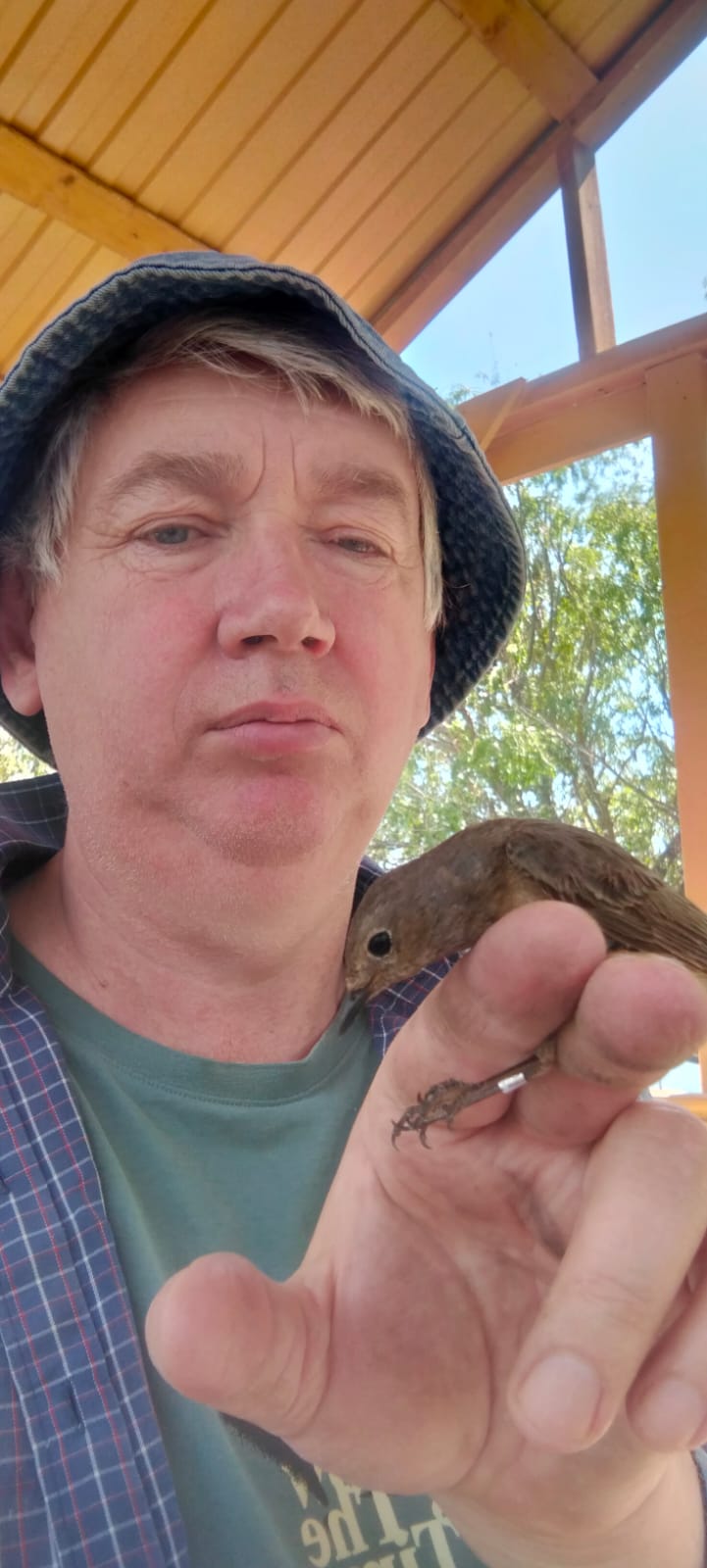
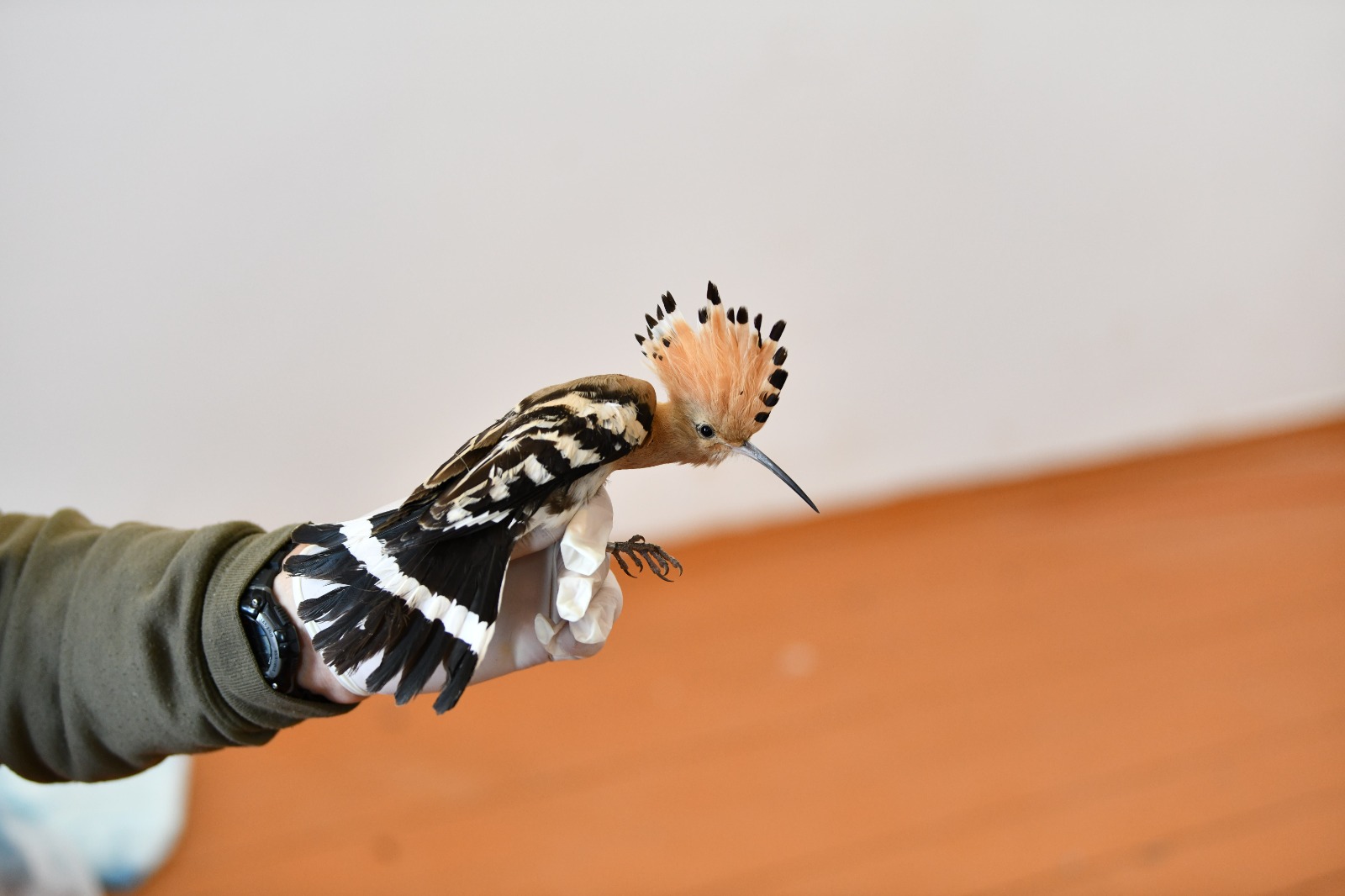
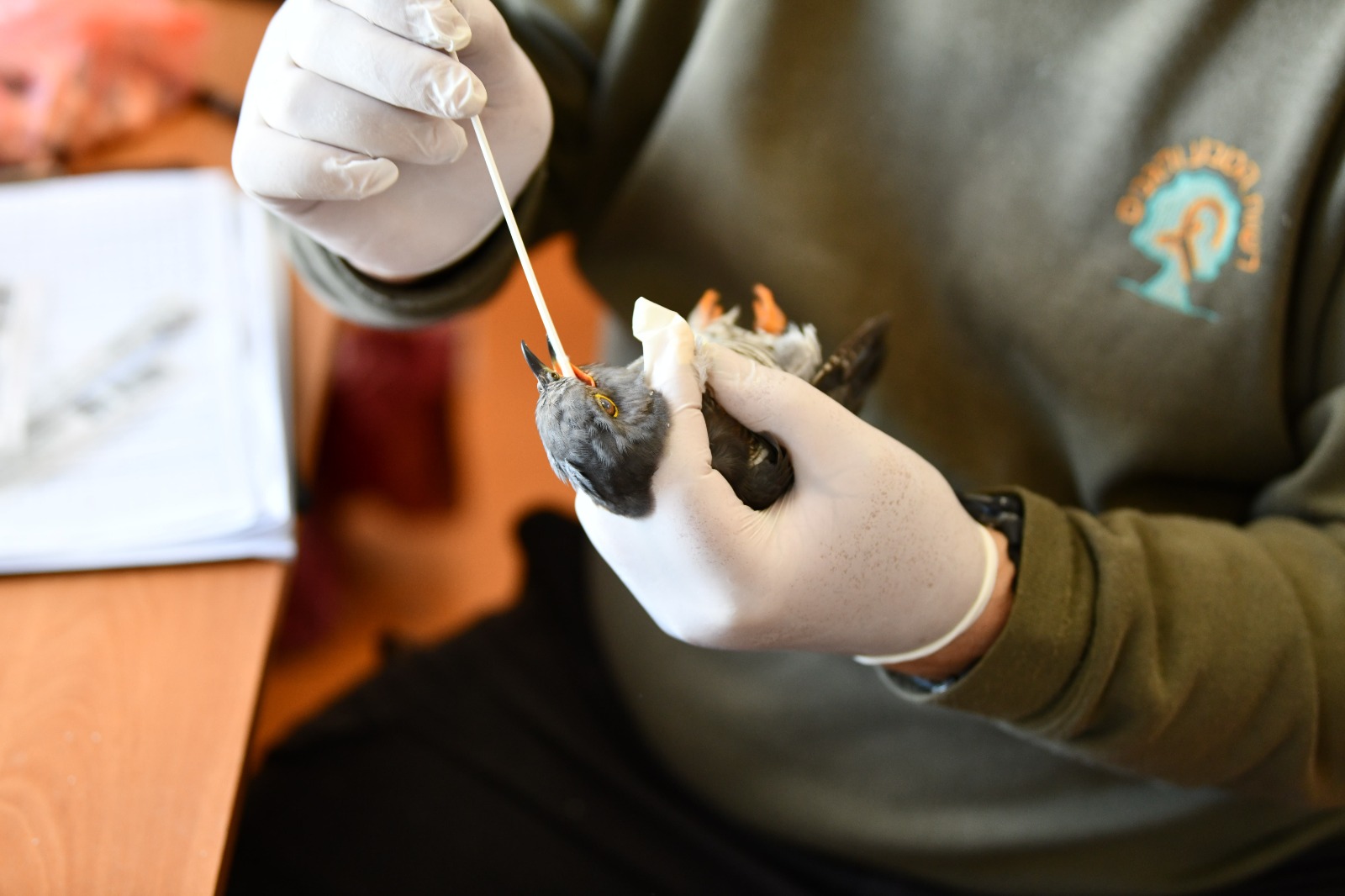
Throughout the expedition, bird ringing activities were conducted. A total of 10 mist nets, with a combined length of more than 80 meters, were installed. To increase the number of captured birds, acoustic attraction was organized using four portable sound amplifiers. The amplifiers were deployed before sunrise and generated a sufficiently extensive acoustic field to attract long-distance migratory birds. The bird calls used for attraction were changed every two days. All ringing data were recorded in standard bird-ringing data sheets. Samples (swabs) were also taken from the throat and cloaca of a number of birds to test for zoonotic infections. A total of 64 individuals, representing 17 bird species across 5 orders, were ringed; the majority of the birds caught were short-distance migrants and resident species. A bat recording device was also installed. As part of the faunal observations, the nesting of the woodlark (a nest was found) was recorded for the first time in the region, and the capture of a pair of greenfinches added to the list of bird species in the West Kazakhstan Region.
Between 1 and 13 May, research continued within the Akzhaik Nature Reserve in the Atyrau Region.
A.V. Davygora, PhD in Biology (Orenburg, Russian Federation), also took part in the field research. Bird ringing was carried out during the expedition. Five nets were set up, with a total length of over 20 meters. A total of 24 individuals, representing 9 bird species belonging to 4 orders, were ringed; the majority of the birds caught were long-distance migrants. Ornithological surveys were carried out in the Ural River delta and the mudflats of the Caspian Sea. The results of the expedition will be analyzed.