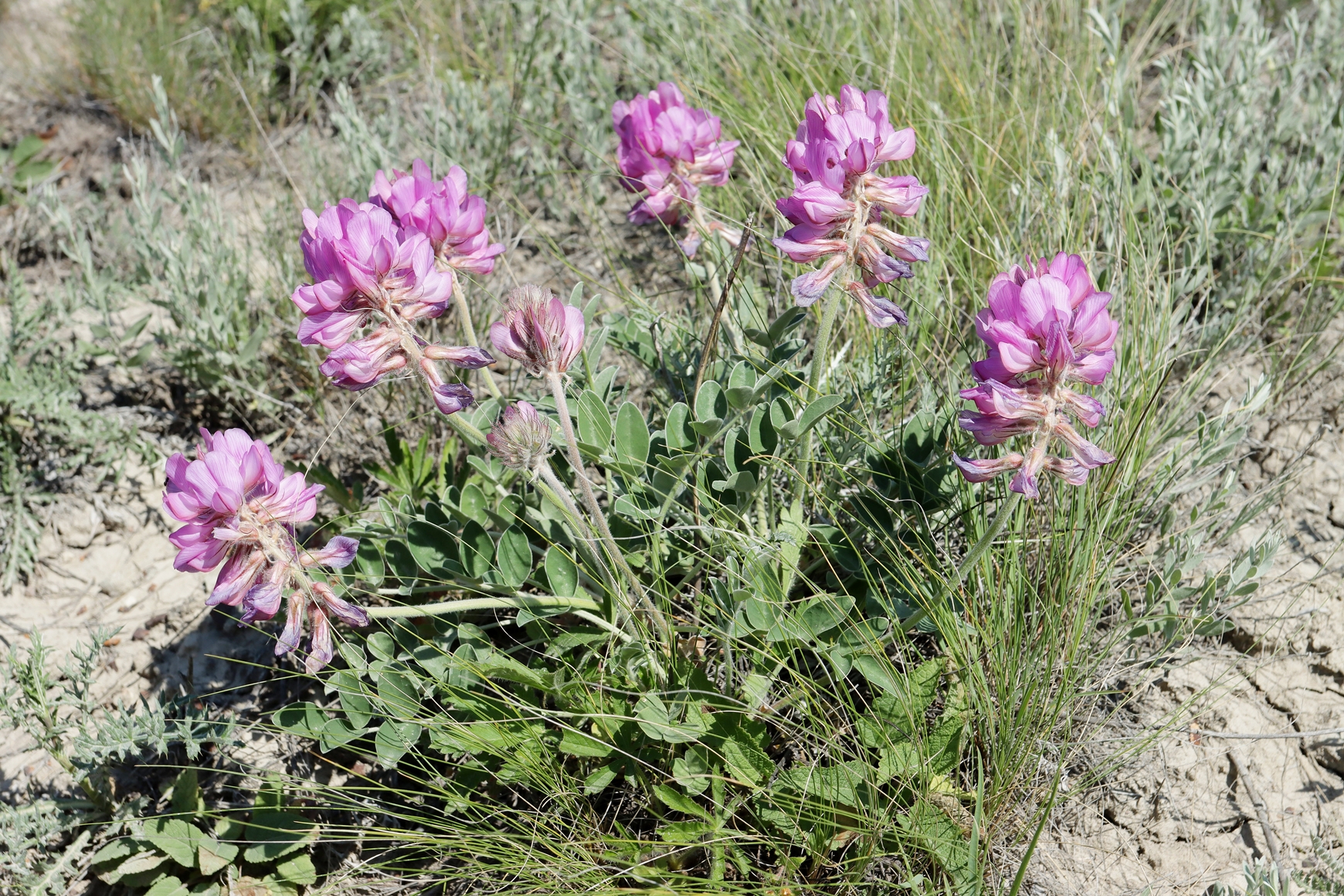
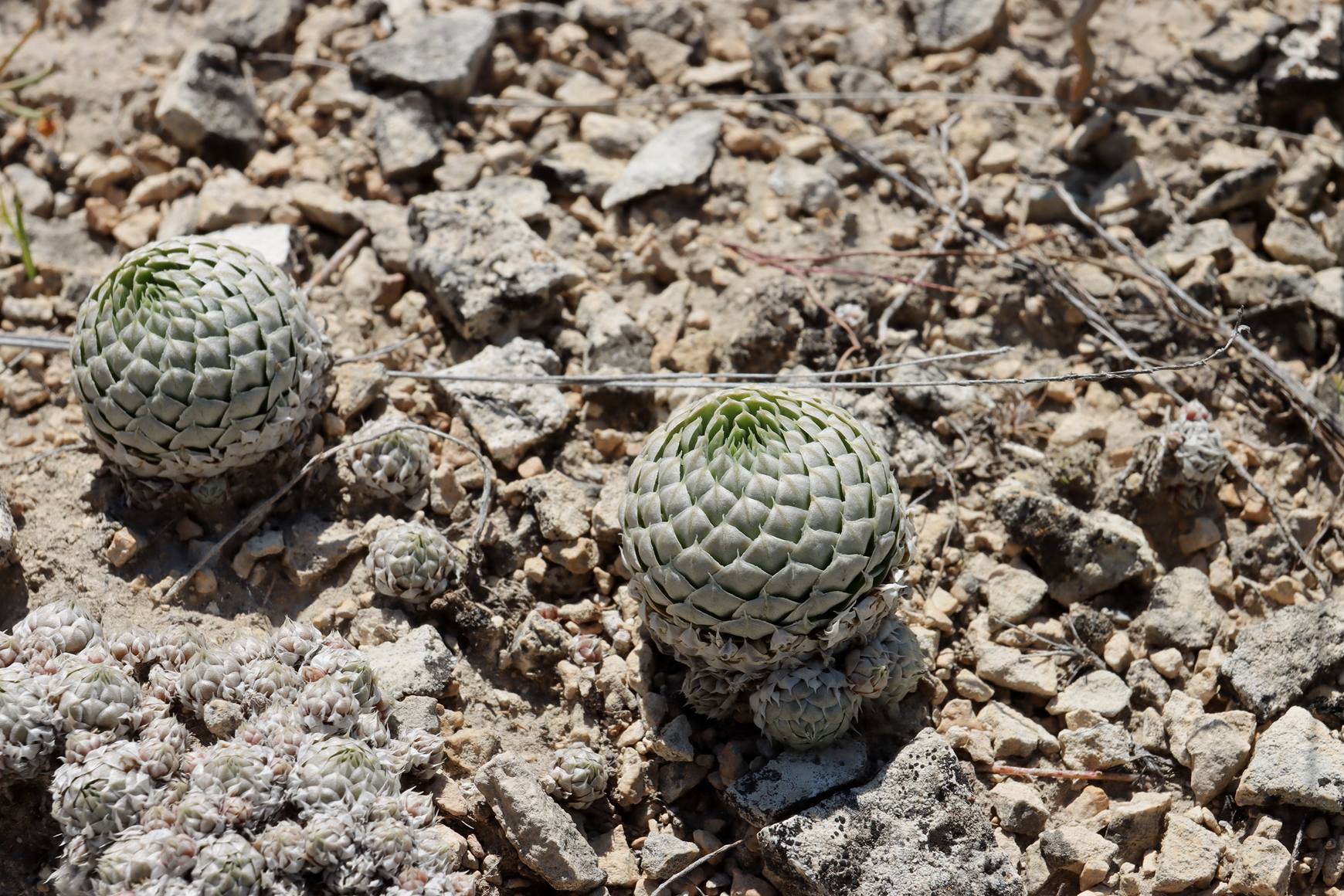
Following the findings of an international expedition organised by researchers from M. Utemisov West Kazakhstan University and Astrakhan State University, the formation process of the flora in the north-eastern Caspian region has been studied and its biodiversity identified using analytical floristic methods
Between 4 and 18 May, in the Atyrau, Aktobe and West Kazakhstan regions of the Republic of Kazakhstan, as part of research project BR28712767 “Study of Ecological, Socio-Demographic, Economic-Geographical, and Paleobiogeographical Aspects of the Urals and Assessment of its Natural Resource Potential”.
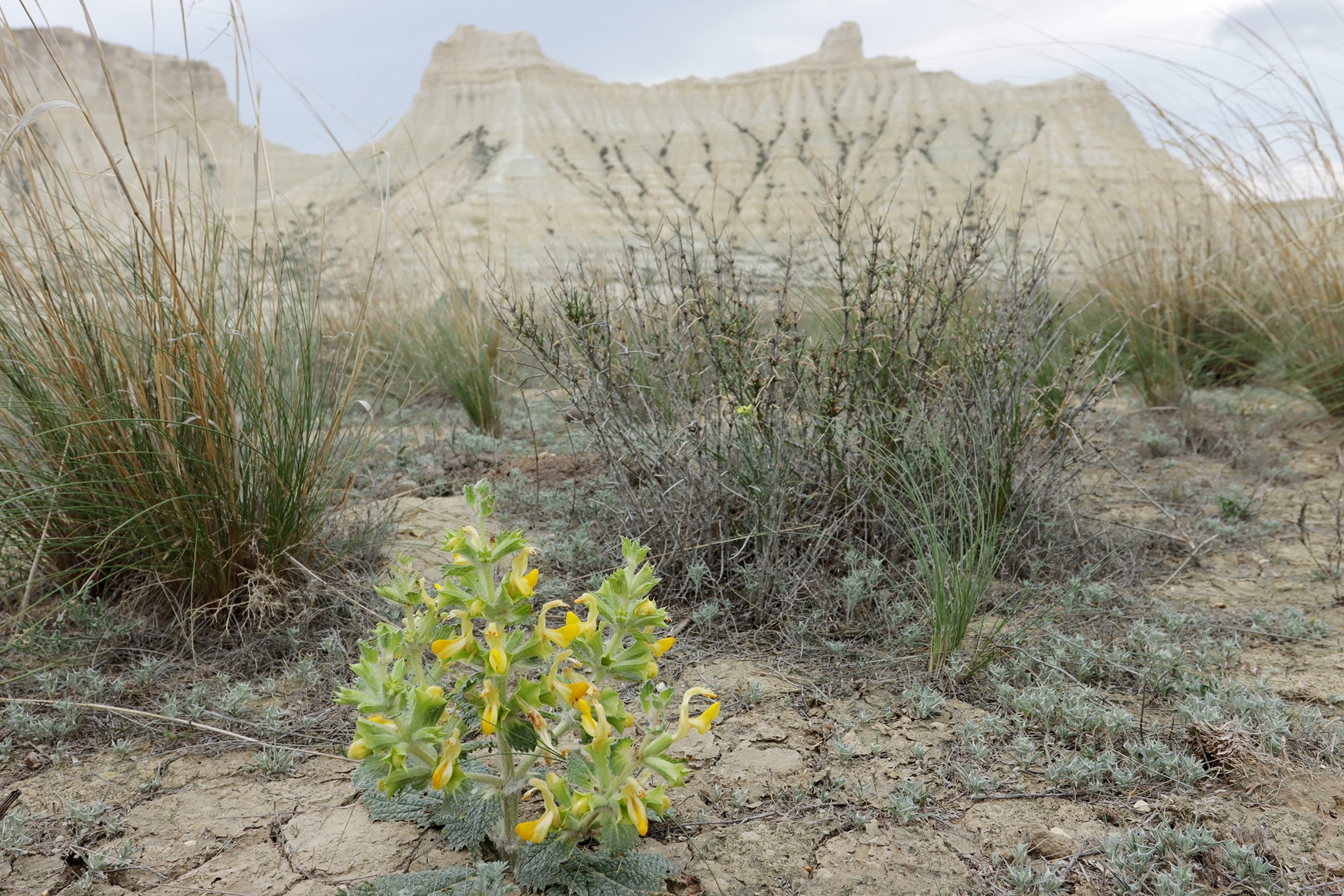
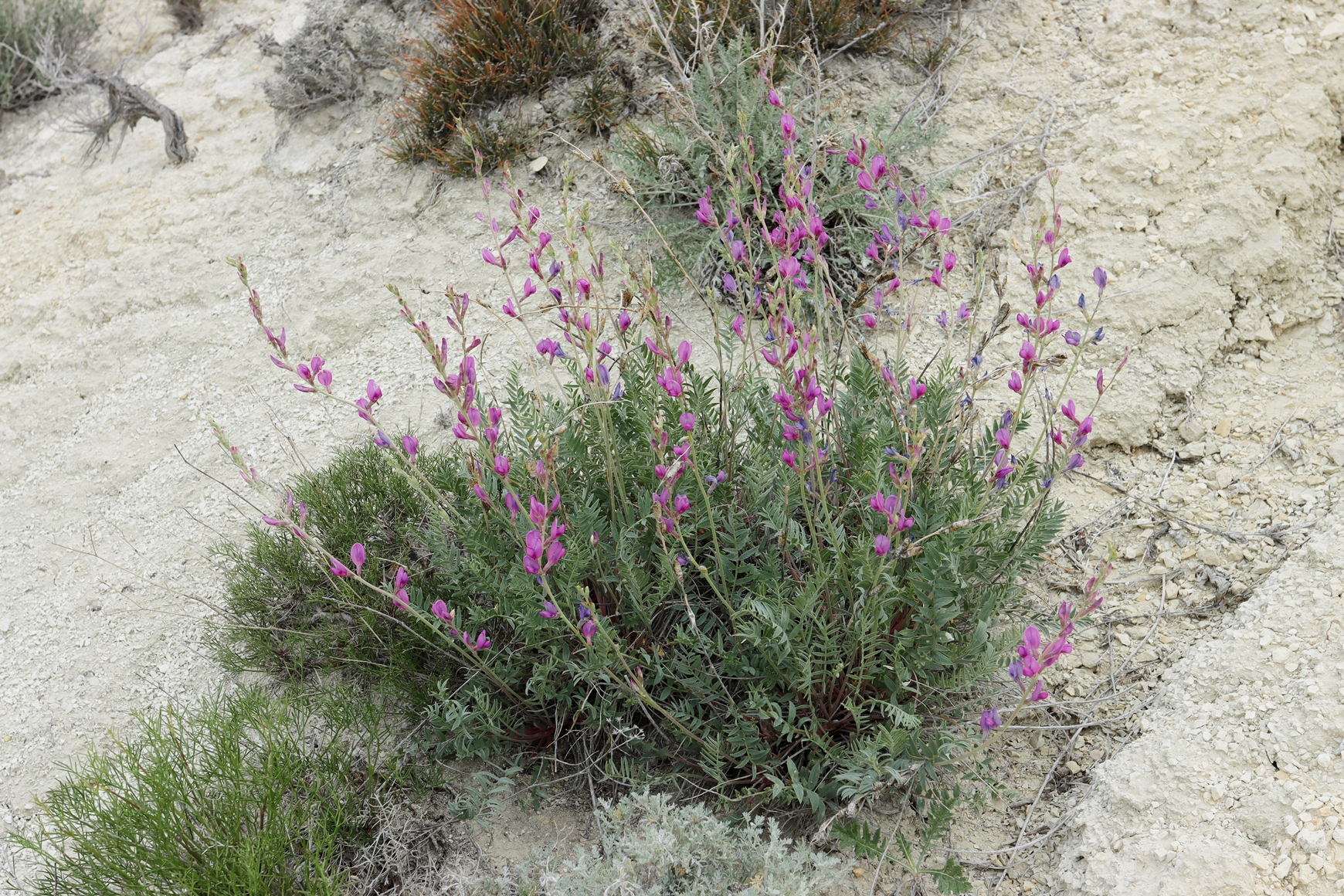
The phytogenetic, floristic, molecular genetics, ecological and biogeographical studies carried out during the expedition were aimed at identifying the biodiversity of the Caspian Sea macroregion: the search for plant species new to science and to the Republic of Kazakhstan, and the inventory of the flora within the former shoreline of the Khvalyn Sea for the subsequent reconstruction of the process of flora formation (Floro genesis) since the time of the Early Khvalyn transgression, using methods of analytical floristics and biogeography.
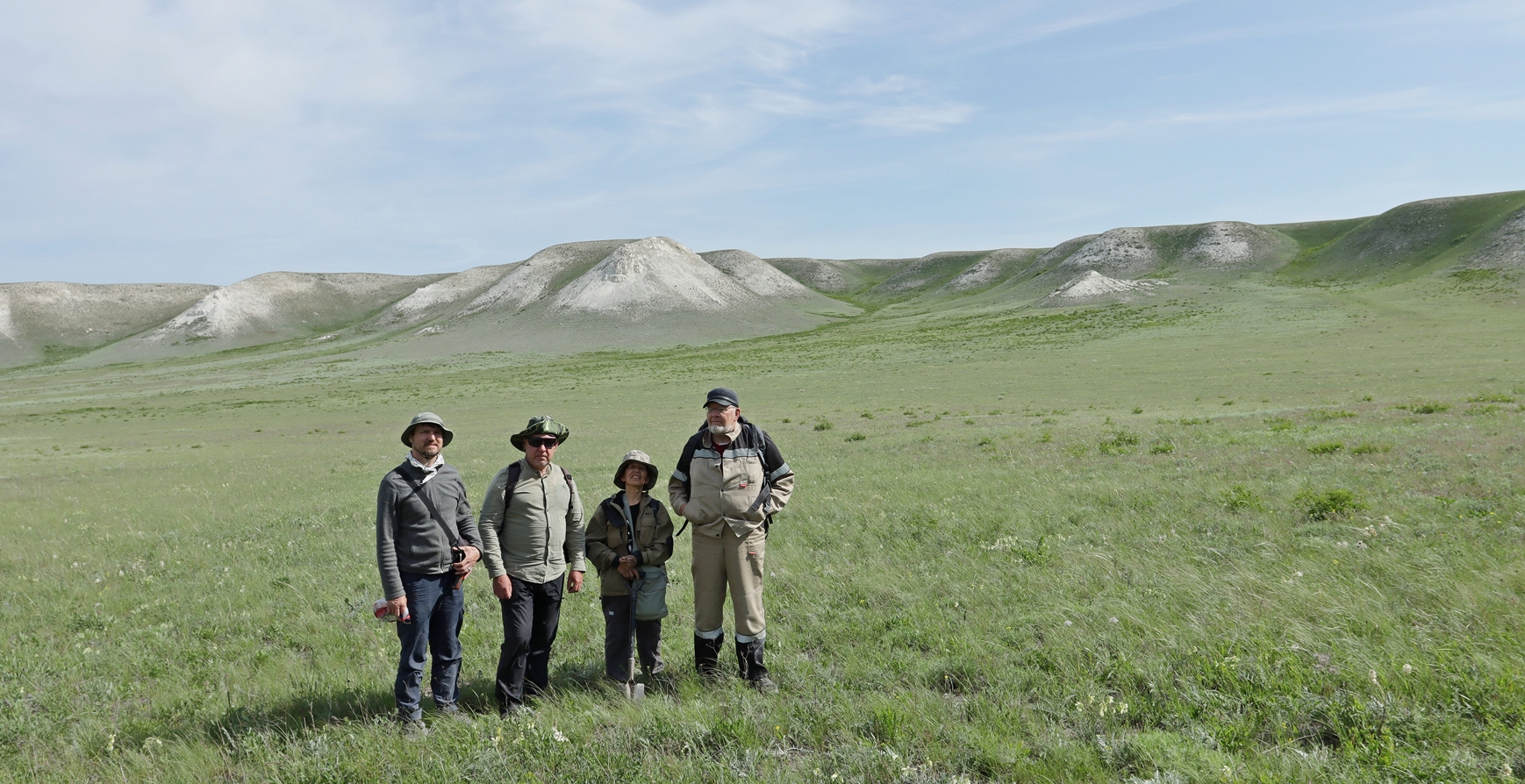
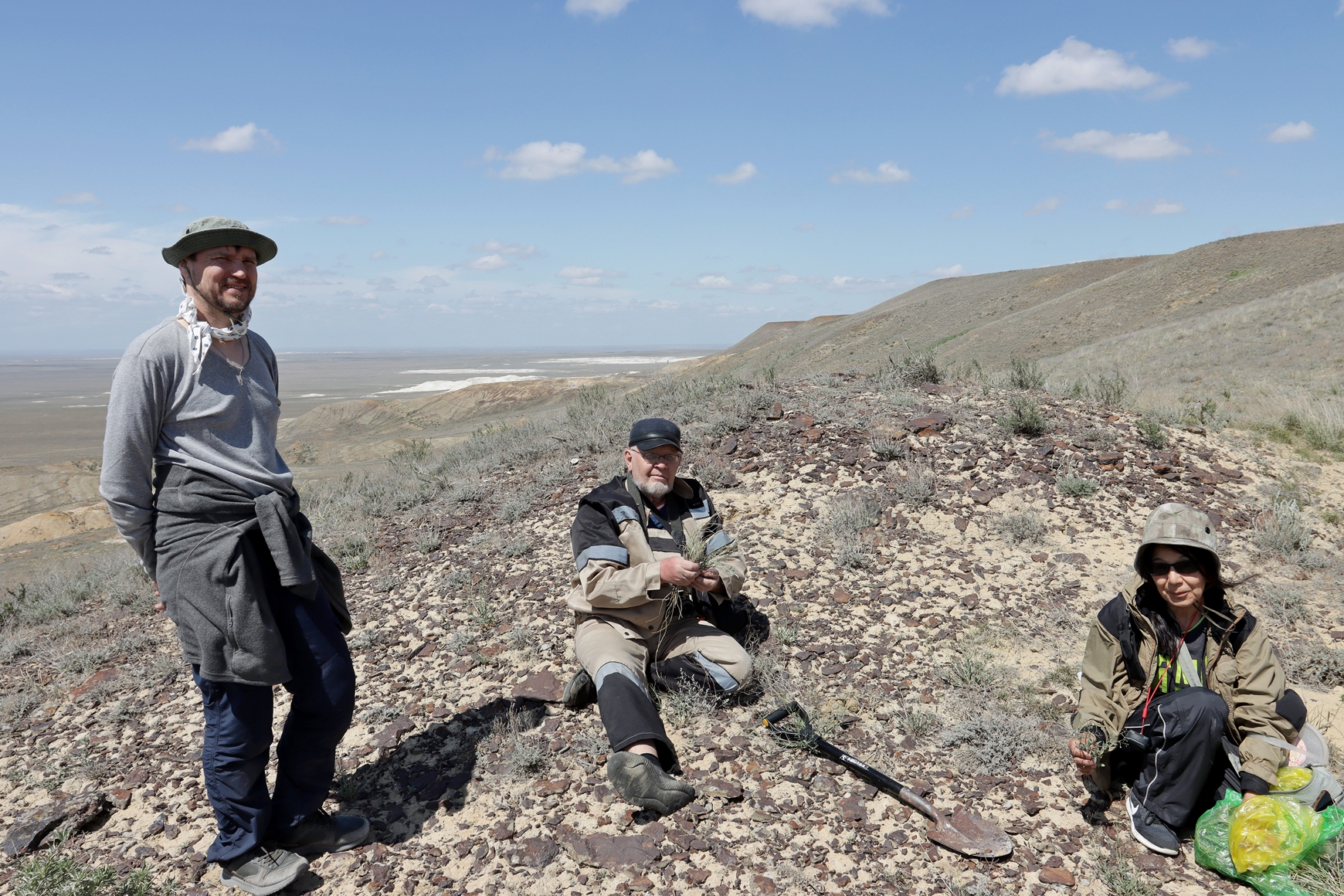
The expedition was attended by renowned scientists from Kazakhstan and Russia: B.B. Sarsenova, Candidate of Biological Sciences (M. Utemisov West Kazakhstan University, Republic of Kazakhstan, Uralsk), A.P. Laktionov, PhD in Biology, Professor (V.N. Tatishchev Astrakhan State University, Astrakhan), D.G. Melnikov, PhD in Biology (V.L. Komarov Botanical Institute of the Russian Academy of Sciences, St Petersburg), Doctor of Biological Sciences, Professor M.S. Knyazev (Botanical Garden of the Ural Branch of the Russian Academy of Sciences, Yekaterinburg).
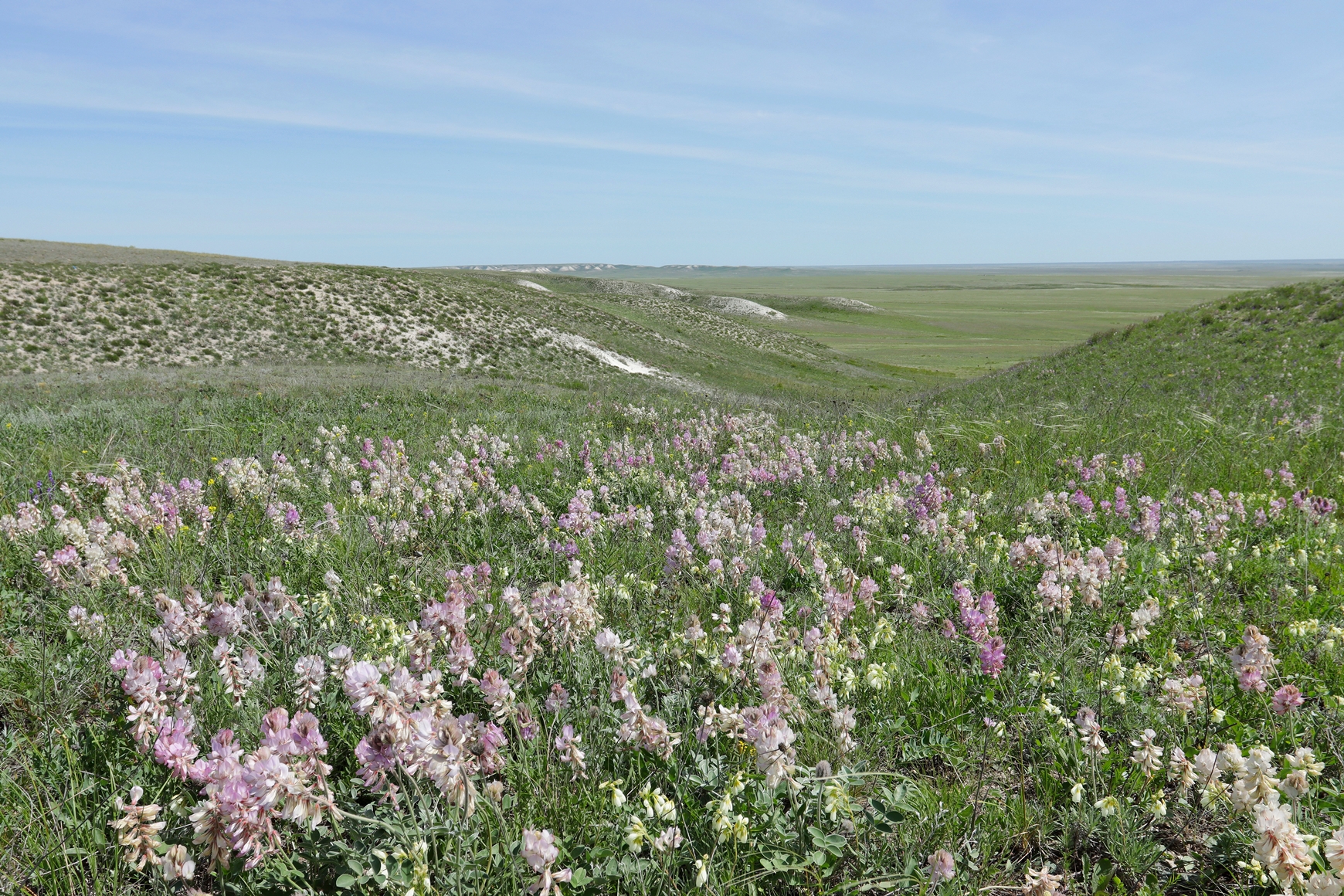
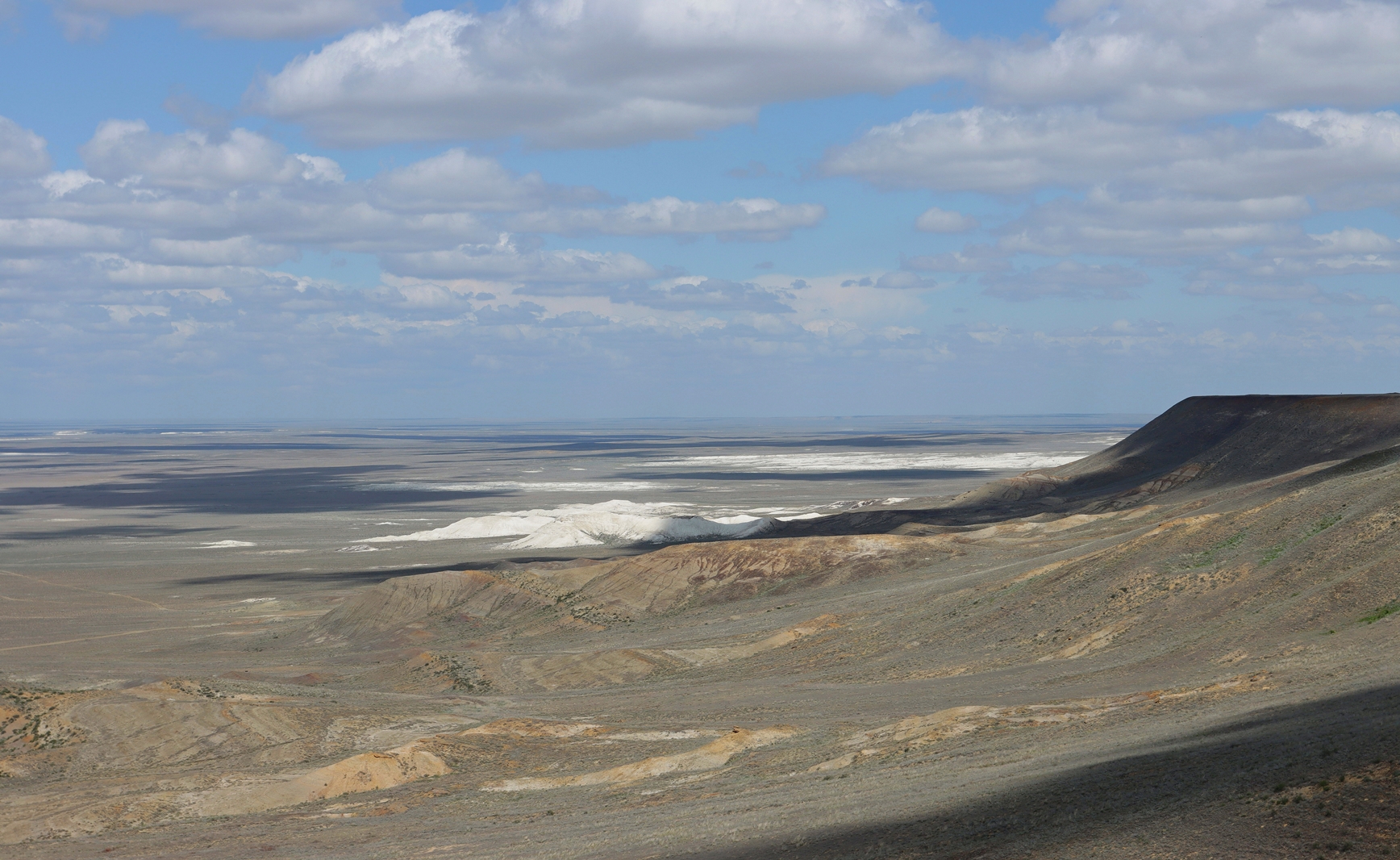
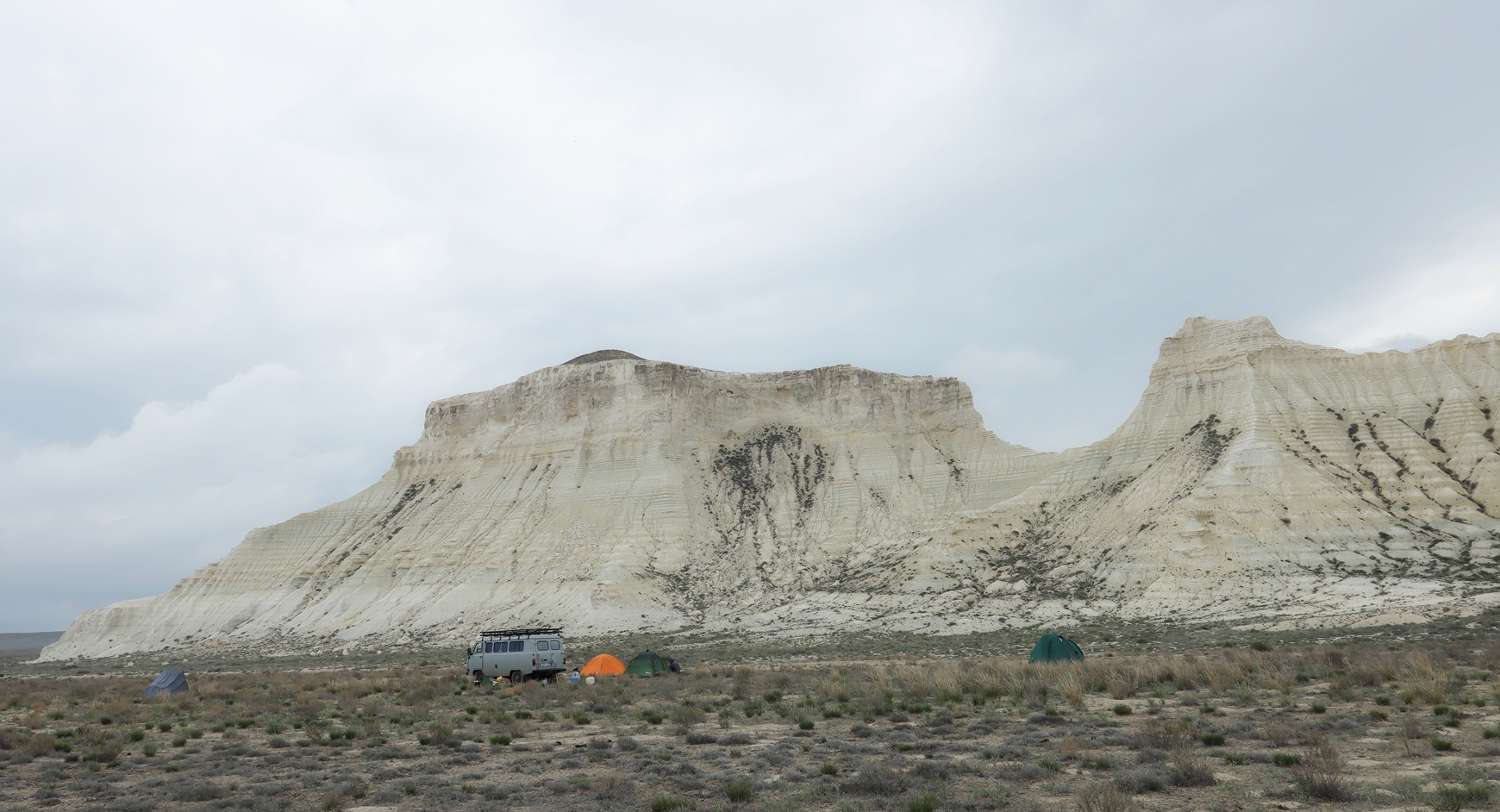
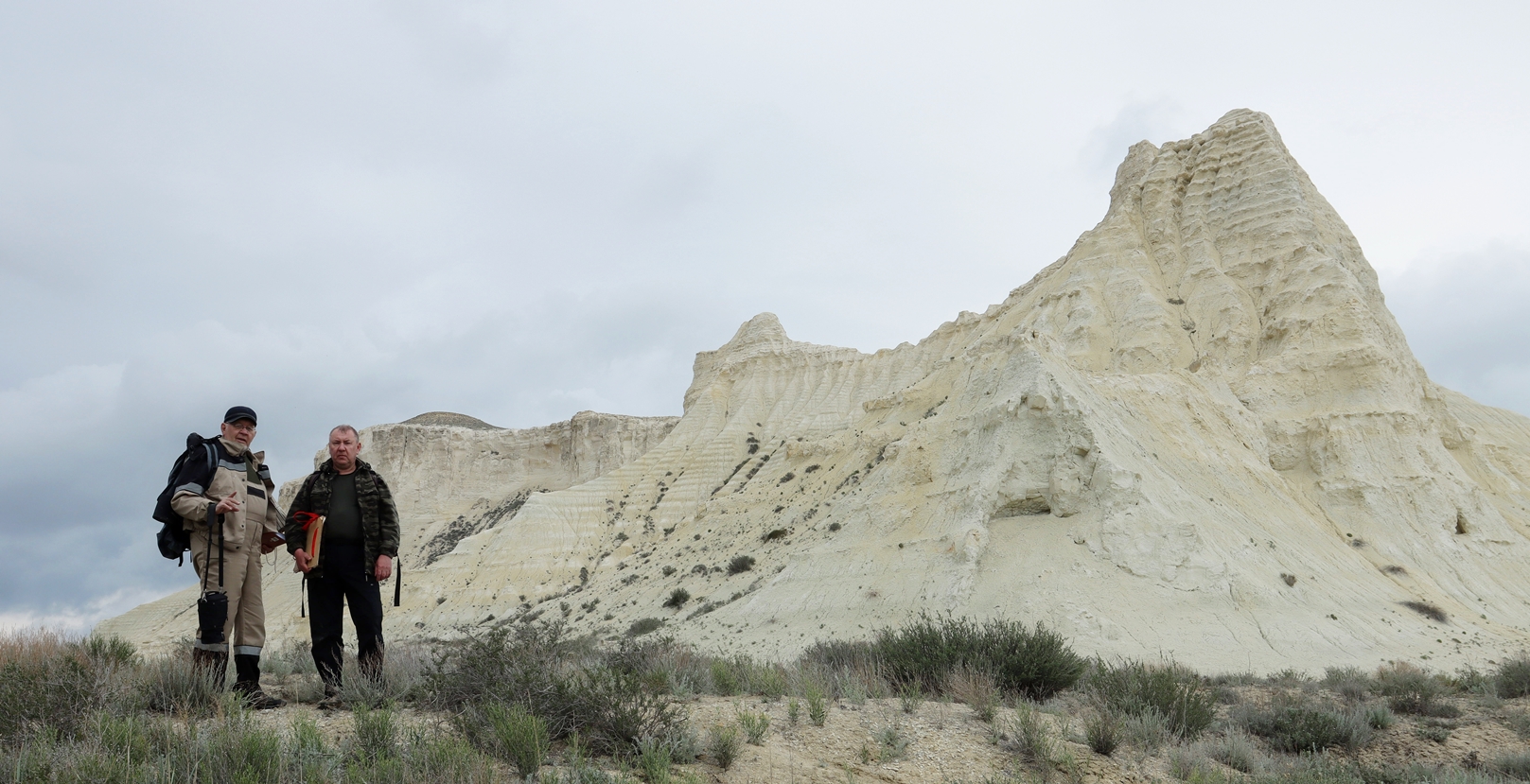
Scientists paid particular attention to the Cretaceous outcrops on the residual hills and ridges (the Aqkergeshen and Aqtolagay plateaus, Mount Imanqara, etc.), which, during the Khvalyn transgression 15–35 thousand years ago, were respectively islands or the shores of the Khvalyn (Caspian) Sea.
It was during the Khvalyn transgression, when the water level of the Caspian Sea reached 45 metres above sea level, they were islands – refugia in the Khvalyn Sea, where, under conditions of phenological and geographical isolation, powerful processes of rapid speciation took place among plants and animals.
The floristic lists obtained from the Cretaceous outcrops will enable a more accurate analysis of the process of (Floro genesis) of allochthonous (migratory) and autochthonous (endemic and relict) flora in the Caspian macro-region from the time of the regression of the Khvalyn Sea to the present day, which will be carried out using the latest methods of analytical floristics and biogeography.